DJI Power 1000 V2 Was Listed at $399.98 on Amazon
As of Oct. 28 the 1,024Wh power station was listed for $399.98 at Amazon, 43% below its $699 list price. camelcamelcamel identified it as the model's best-ever price.

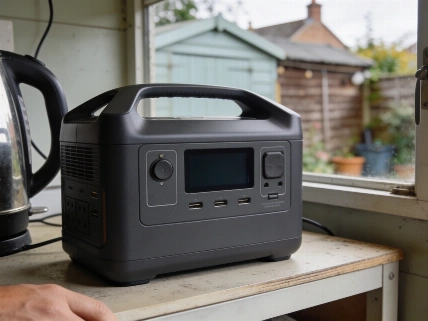
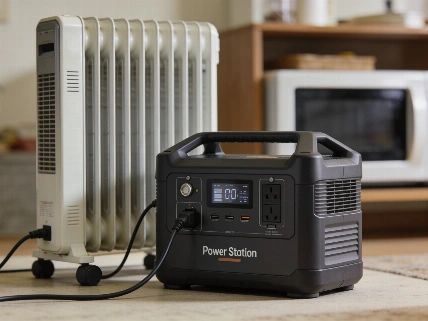
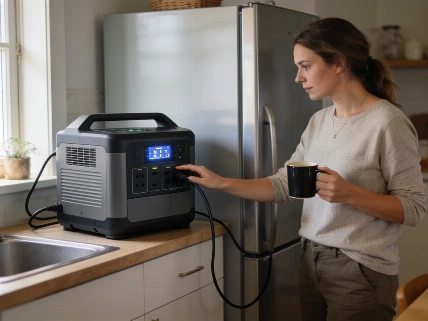
A 10ms switchover is the DJI Power 1000 V2's key backup feature: its uninterruptible power supply function is designed to keep connected devices running when mains power is interrupted. Amazon lists a 1,024Wh lithium iron phosphate battery and 2,600W of stable output, along with the 10ms UPS feature.
As of Oct. 28, Amazon listed the unit at $399.98, 43% below its $699 list price. Price tracker camelcamelcamel identified that as the power station's best-ever price. The deal's availability and pricing may have changed since then. At the time, the Amazon listing showed a 4.4-out-of-5 rating from 810 ratings.
The unit has a 1,024Wh lithium iron phosphate (LFP) battery. DJI says it can power 99% of appliances and recharge to 80% in 37 minutes when connected to mains power. Listed specifications put a full recharge at about 56 minutes, with AC charging up to 1,200W. The U.S. configuration has four AC outlets and includes two 140W USB-C ports. In another battery application, CATL's battery-swap plans target 2,000 electric-truck stations by 2027. DJI also says the power station operates at noise levels as low as 26dB. Product-review coverage puts its manufacturer-rated cycle life at 4,000 cycles before capacity falls to 80%. The station can also expand to about 11kWh with compatible additional battery hardware, as described by Solar Generator Advisor.
Topics: