Report: Apple MagSafe battery pack delayed by software issue
Bloomberg reported that Apple had developed prototypes of a MagSafe battery pack for the iPhone 12, but a software warning delayed its launch. The report said the issue appeared to have been addressed while the product's future remained uncertain.
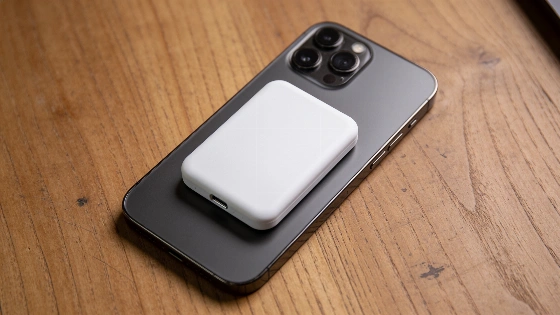
A software warning that falsely said a battery was overheating reportedly delayed an Apple accessory before launch. Bloomberg reported that the company had been developing a magnetic battery pack for the iPhone 12. Apple introduced MagSafe with the iPhone 12 in late 2020, using magnets around the phone's wireless charging coil to align compatible accessories.
Prototypes and software issues
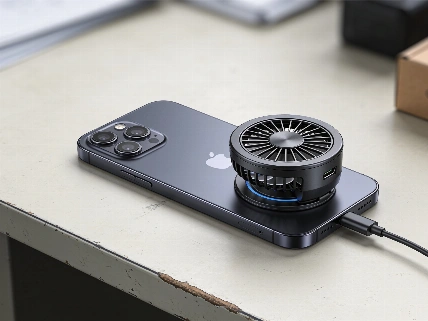
The prototypes were designed to attach to the back of the phone like a MagSafe charger. One source told Bloomberg that a prototype had a white rubber exterior; the report offered no further design details. MagSafe's magnetic alignment helps keep the phone and accessory positioned together during charging. Apple's published limits for the MagSafe system allow wireless charging of up to 15 watts on iPhone 12 or later when paired with a 20-watt USB-C power adapter, information from Apple product specifications.
The magnetic connection was reportedly strong enough to keep the pack in place. That mattered given complaints that the MagSafe wallet could peel off too easily. Apple's MagSafe accessory system also supported products including wallets, stands and car mounts, extending the magnetic connection beyond charging accessories.
Bloomberg said the software problem appeared to have been addressed, though Apple could still delay or scrap the product. The report does not confirm that it later launched. For a separate battery-related issue, NerdsMagazine has covered cold-weather phone shutdowns.
Apple had previously canceled a charging product: its AirPower wireless charging mat, after several delays, in 2019. Unveiled alongside the iPhone X in September 2017, AirPower was designed to charge an iPhone, Apple Watch and AirPods simultaneously and was expected to launch in 2018. Apple canceled the project on March 29, 2019, saying it would not meet the company's standards. Coverage of the cancellation linked the engineering difficulties to overheating concerns with the mat's multi-device design, as PowerPage reported.