Fortnite's Two Rendering Paths Put Different Demands on PC Hardware
Epic Games uses Fortnite to show where Unreal Engine 5 is headed, while retaining a simplified performance mode for older hardware.

A decade-old machine can still run Fortnite if players accept visuals that look closer to 2014.
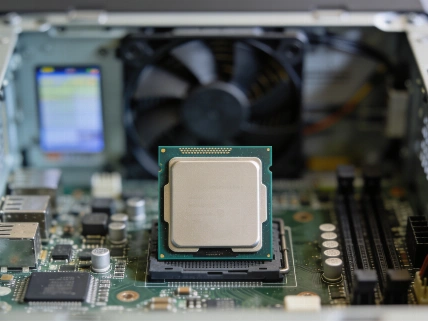
Performance mode simplifies the scene and concentrates per-frame work on the main thread. That makes a fast CPU core more useful for this workload than a processor with more cores but lower clock speed. Epic continues to tune the mode: in its 43.10 Fortnite ecosystem release notes, the company documented a fix for skeletal meshes showing excessive detail when mesh quality was set to Low in Performance Mode. The change was intended to improve GPU performance. The distinction resembles the CPU constraint described in NerdsMagazine's PS5 Pro coverage, which reported that the console's CPU limits higher frame rates in Grand Theft Auto VI.
Unreal Engine 5 shifts the load to graphics hardware
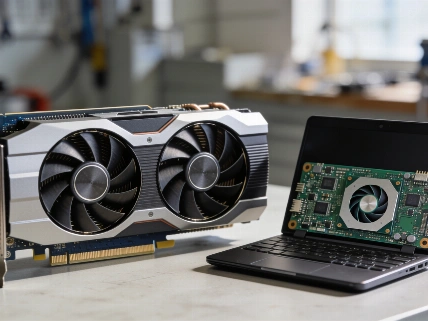
With Lumen enabled, the workload shifts toward the GPU, and 16 GB of RAM is the realistic minimum. Nanite adds geometry detail, while its culling system determines which pieces of Nanite geometry are visible in each frame and draws only those portions. Epic's Unreal Engine 5.9 release notes describe culling that handles different mesh types and can test multiple levels of a mesh's detail hierarchy in one step. Virtual Shadow Maps add dynamic shadow work; Unreal Engine documentation describes controls for shadow coverage and update behavior, making memory and bandwidth important to this rendering path.
The two modes make different demands: performance mode prioritizes CPU headroom while the newer features lean on graphics hardware. Epic's 43.10 Fortnite release notes show that Performance Mode remains an actively optimized rendering path, with adjustments to scene detail aimed at GPU performance. Cosmetic purchases help fund the engine's next major advances.
Topics: