Windows 11 Keeps Taskbar Placement Inside Settings
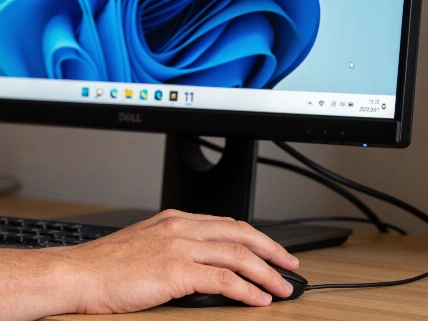
Windows 11 lets users choose a taskbar position in Settings, but Microsoft has no plan to add the Windows 10-style drag gesture. The company says accidental movement was part of the decision.
Microsoft's research found that dragging the taskbar could lead to accidental moves, Diego Baca says. The Vice President of Design at Microsoft called the choice "a deliberate design decision, not a missing capability" in a post on X dated October 31, 2026. Baca connected the risk to the "Lock the taskbar" option in earlier Windows versions and said people rarely change the bar's position.
Windows 11 lets users select a different taskbar position through Settings. In Windows 10, users could unlock the bar and drag it to another screen edge; Windows 11 removed that direct gesture. Baca said Microsoft favors an explicit setting because taskbar moves are infrequent and dragging could shift the bar by accident. Microsoft does not plan to restore the drag-to-move option.
Why the drag gesture was left out
Baca says Microsoft found that people rarely change the taskbar's position. Most choose a location and leave it there, so the company sees a setting reached from a right-click as more predictable than dragging the bar. The research findings are qualitative; Microsoft has not published a percentage or other numerical measure of how frequently users change the taskbar's position.
The concern has a Windows precedent: the "Lock the taskbar" option in earlier versions helped prevent accidental movement. Windows 10 users could right-click the taskbar, clear "Lock the taskbar" and drag the bar to another edge. Windows 11 uses a Settings control instead. Its version 25H2 documentation lists four available positions: bottom, top, left and right. It says taskbar tooltips and flyouts work in each position, along with customization options such as never combining icons. Microsoft describes the feature in its Windows 11 release notes.
How to choose a taskbar position
- Right-click an empty area of the Windows 11 taskbar.
- Open the taskbar settings from the context menu to launch the Settings app.
- Go to Settings > Personalization > Taskbar > Taskbar behaviors > Taskbar position, then select Bottom, Top, Left or Right. Taskbar position is separate from Taskbar alignment, which controls where icons sit within the bar.
Microsoft support guidance says the position control is rolling out gradually. If it is not visible, Microsoft suggests checking Windows Update, installing offered updates and restarting. The setting and its four options are described in Microsoft's taskbar guidance.
Windows 10 also let users resize the taskbar by dragging its top edge. Baca's post addresses moving the bar, not resizing it. Separately, Windows 11 version 25H2 includes a smaller-taskbar option that reduces icon size and taskbar height for smaller devices.
Separately, KB5127936 adds customizable controls to the Windows 11 context menu, a change covered in our earlier menu report. Microsoft has not published the research data behind Baca's explanation.