Nvidia faces claims AI server demand is squeezing gaming GPUs
A reported $5 billion in early GB300 deliveries has sharpened allegations that Nvidia's AI focus is tightening GeForce supply though the claims remain unproven.
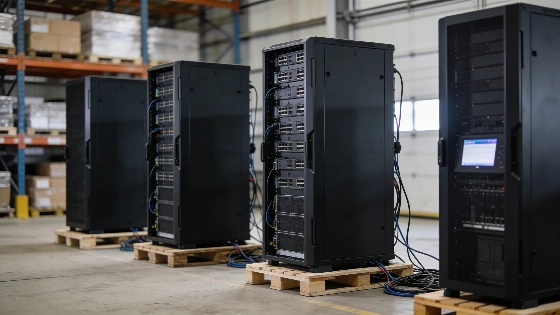
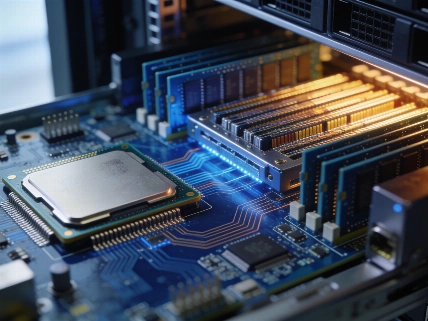
Amazon reportedly accepted around $5 billion in Nvidia GB300 server racks before several AWS data centres had enough utility power to switch them on. In an October 20 report, Business Insider reported that an August internal email projected about $3 billion more in GB300 hardware each month "for the foreseeable future." These were delivery projections under AWS's "Early Rack Receipt" process, which shifts receipt and ownership of racks earlier in the supply chain, before they reach their final data-centre locations.
Some facilities reportedly had room for more racks but lacked enough available electricity to activate them, leaving finished systems in intermediary warehouses until the sites were ready. Some AWS teams also reportedly lacked "a clear forecasted path" for moving incoming racks into data centres. Business Insider calls the idle systems "dark GPUs," while Ed Zitron has pointed to Microsoft CEO Satya Nadella saying he had chips "sitting in inventory" that he could not plug in.
Why gamers are part of the dispute
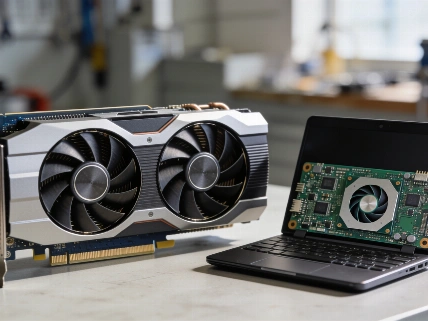
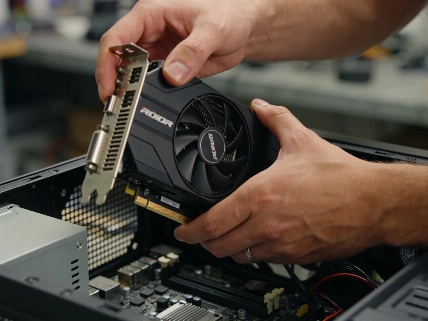
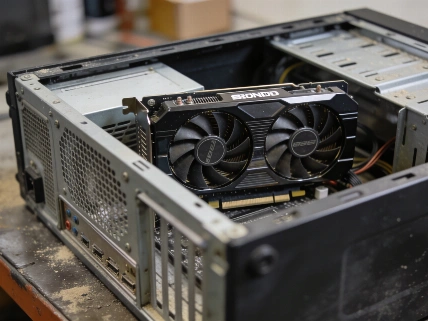
Critics say Nvidia has directed TSMC wafer capacity toward data-centre hardware at the expense of GeForce gaming cards. They cite the H100 and B200, and include GB300 in the argument. The allegations link that shift to high prices and empty shelves for graphics cards, but do not establish that AI orders caused the gaming supply shortage.
Critics also argue that Nvidia encouraged Amazon, Google, Microsoft and Meta to order equipment well before they could use it. Those orders can lift Nvidia's revenue figures, they say, while buyers shoulder storage costs as their hardware depreciates and facilities wait for power. Earlier reports have also claimed Nvidia scaled back gaming GPU supply and paused RTX 5090 production to focus on AI.
What the evidence establishes
The accusations remain unproven and rely largely on analysts' interpretations of available information, rather than documented wrongdoing. Amazon describes early hardware staging as a routine "best business practice," saying it lets equipment be installed as soon as power becomes available. Nvidia has not responded to the accusations.
The distinction between planned server capacity and usable infrastructure also matters in NerdsMagazine's rack estimate analysis, which examined modeled server power and memory assumptions. Critics warn that a cooling in AI demand could leave Nvidia with excess hardware, as happened during the GPU glut after the crypto mining boom.
Topics: