
Ford Hit as Judge Lets Diesel Fuel Pump Lawsuit Head to Trial
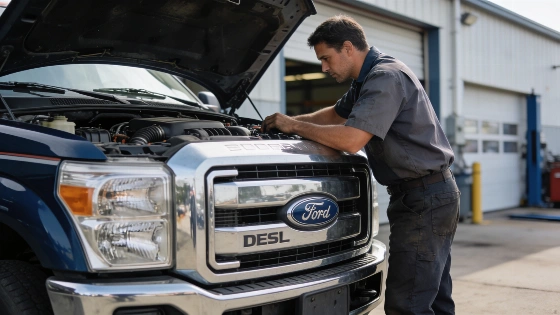
Ford just took a major hit in the long-running fight over diesel fuel pump failures. A federal judge in Michigan has certified owner classes in five states, letting claims against Ford move forward as a group. The case centers on the Bosch CP4 high-pressure fuel pump, which Ford used in 2011 and newer trucks with the 6.7-liter Power Stroke diesel engine. Owners say the CP4 pump doesn't get enough lubrication from U.S. diesel fuel. They claim this causes the pump to wear out, send metal shavings through the system, and wreck engines-sometimes leaving drivers with repair bills in the thousands. Ford has pushed back, denying any widespread defect and trying to shut the case down. But the judge said both sides have expert evidence, so a jury will have to sort out the facts. Ford isn't found liable yet, but the case is now on track for trial, and the pressure is on.
At the same time, new federal fuel economy rules are forcing automakers to rethink their plans for electric and hybrid vehicles. The National Highway Traffic Safety Administration has set a new Corporate Average Fuel Economy target: about 34.9 miles per gallon for the 2031 model year. That's a big drop from the earlier 50.4 mpg goal. The change slows down the pace of fuel economy gains and is expected to save automakers $60.6 billion in technology costs through 2031. But there's a catch. Drivers could end up paying more for gas, and after 2028, electric vehicle makers will lose the option to trade credits with other manufacturers. The main auto industry group backs the new rules, calling them more realistic. Environmental groups are gearing up to sue, arguing the rollback will mean more fuel burned and higher emissions. With more lawsuits on the horizon, automakers are left guessing how to plan their next gasoline, hybrid, and electric models.
According to NHTSA estimates, the revised fuel economy standards will increase U.S. gasoline consumption by about 121 billion gallons through 2050, a 4.6% rise compared to previous rules.
Hybrid engine fire lawsuit trimmed but not over
Ford's legal troubles don't stop with diesel trucks. Another class-action lawsuit is targeting certain Ford Escape, Ford Maverick, and Lincoln Corsair hybrids and plug-in hybrids. Plaintiffs say faulty crankshafts in the 2.5-liter engines can cause bearing failures and even punch holes in the engine block, raising the risk of engine fires. Ford has already recalled some of these vehicles. Still, a Michigan judge just dismissed nine out of eleven plaintiffs, ruling that just owning a recalled car isn't enough to sue. Only those who actually had engine trouble can keep their claims alive. Two plaintiffs remain in the case. The decision makes it clear: being exposed to a possible defect or recall doesn't automatically mean you can claim damages.
Pennsylvania tire chain settles over bogus repairs
Automakers aren't the only ones under the microscope. Mavis Discount Tire has agreed to pay $215,000 to settle claims from the Pennsylvania Attorney General's Office that it charged customers for repairs they didn't need. The deal includes $165,000 in refunds for affected customers and $50,000 in costs and penalties. Mavis will also have to overhaul how it documents and explains repairs to customers. The company isn't admitting it did anything wrong, but the settlement sends a clear message to repair shops: honesty and clear communication aren't optional. For drivers, it's a reminder to ask for proof or a second opinion when a shop recommends expensive or unexpected repairs.
A coalition of states, cities, and counties has filed a petition in the First Circuit Court of Appeals seeking to overturn the new NHTSA standards, arguing that the agency violated the Administrative Procedure Act and the Energy Policy and Conservation Act.
Legal fights in the auto world are heating up. Ford is now staring down a possible jury trial over its diesel fuel pumps. The whole industry is scrambling to adjust to new rules and more lawsuits. For automakers and repair shops, legal and regulatory risks are now front and center in the business of building and fixing cars.
According to a CNBC analysis, the Department of Transportation expects vehicle owners to pay over $1,600 more for fuel over the life of a new car under the revised standards. At the same time, manufacturers will see average compliance cost cuts of about $1,289 per vehicle.
The new Safer Affordable Fuel-Efficient Vehicles Rule III will cover passenger cars and light trucks through the 2031 model year. It takes effect on November 30, 2026, as reported by Kelley Blue Book.