
Monthly payments or long term value: the real cost of leasing versus buying a car
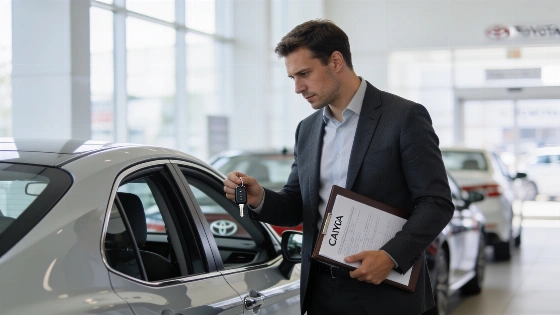
Walk into a dealership and the numbers can surprise you. Leasing a new car sometimes puts a luxury badge in your driveway for less each month than buying a basic model. But when the lease ends, you hand back the keys. You leave with nothing. That's the core of the lease versus buy question: pay less now, or own something later?
According to AAA, the average annual cost of owning a new car in the U.S. in 2025 is $11,577, with $4,334 of that attributed to depreciation-making it the single largest expense for car owners.
Leasing draws in drivers who want the latest tech or a nicer car without a big upfront payment. Monthly costs are lower. Most repairs are covered by warranty during the lease. But the fine print can sting. Most leases cap you at 12,000 to 15,000 miles a year. Go over, and you pay. Wear and tear fees add up fast. Want to customize your car? Not an option. Leased cars must go back almost exactly as they came.
Typical lease agreements limit annual mileage to 10,000-15,000 miles, and exceeding this cap usually incurs per-mile penalties. These overage fees can quickly add up, making leasing more expensive than anticipated for high-mileage drivers.
Your credit score changes the math. Experian's State of the Auto Finance Market report shows subprime borrowers (scores 501-600) pay $619 a month to lease. Super-prime borrowers (781-850) pay $622. For new car loans, subprime borrowers pay $805 monthly. Super-prime? $741. Used car loans cost less, but the pattern holds. Better credit means better deals. Most loans and leases go to people with scores above 600.
Leasing works for drivers who want a new car every few years, keep mileage low, and want steady costs. It's also a way to drive cars that might be out of reach otherwise. But if you plan long road trips or want to make the car your own, leasing's limits and penalties can wipe out the savings.
Buying is better for people who keep cars for years, drive a lot, or want freedom to modify and resell. Upfront costs are higher. But once the loan is gone, you're free from payments. Depreciation is real. So is the control you get by owning your car.
In the end, it's about your money, your habits, and what matters to you. If you want the lowest monthly payment and can live with strict limits, leasing fits. If you want to build value, drive as much as you want, and own your ride, buying wins. The numbers are clear. Short-term savings are tempting. Long-term ownership puts you in control.