
How to Get the Most Value When Selling a Non Running Car
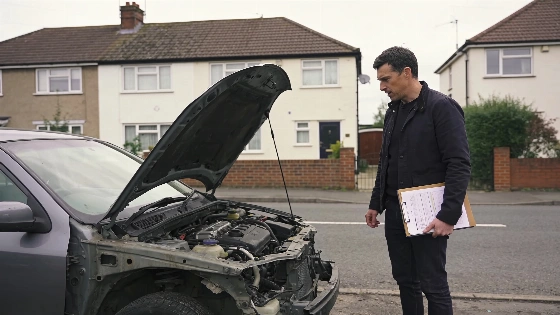
Your car sits silent. It will not start. Maybe the engine seized. Maybe a crash left it undriveable. Now you face a hard choice: fix it, sell it as-is, or scrap it. Each option comes with its own costs and risks. The outcome depends on what you do next.
In the UK, insurance write-off categories were updated in October 2017: Cat S now refers to structural damage, while Cat N covers non-structural issues. Older Cat C and D categories are still found in the history of some vehicles but are no longer issued for new cases.
Repairs only make sense if the cost is less than what the car will be worth after fixing. Some problems are cheap to solve. A flat battery or a simple tune-up can get a car moving again. But if the car has structural damage or is a write-off, the numbers change. Category A or B write-offs cannot go back on the road. They are only good for crushing or parts. Scrapping is the only legal option. Category S cars have structural damage. They need professional repairs, which rarely pay off unless you can sell for more than you spend. Category N cars do not have structural damage but may still be undriveable. These need a specialist to check before you decide what to do.
Professional dismantlers and parts sellers in 2026 confirm that an insurance write-off does not always mean the end of a car's life: some vehicles are repaired and returned to the road, while others are processed as end-of-life vehicles through regulated recycling chains.
Ready to sell? Valuing a non runner is the next hurdle. Dealers and car-buying services can give you a starting point. But the real price depends on the car's condition and what it would cost to fix. Age, mileage, and where you live still matter. But the reason the car will not run is what really sets the price. You will need to discount from what a working car would fetch.
Where should you sell? Salvage auctions work well for non runners. You will pay a seller's fee and must arrange transport. Private buyers are rare. Most do not want the hassle of moving a dead car. But if you are honest about the faults, you might find someone willing to take it on. Used car dealers may make an offer if the fix is simple and their mechanics can handle it. Expect to shop around. Scrap dealers pay by weight and materials, not by whether the car runs. Only Authorised Treatment Facilities (ATFs) can legally scrap a car. They pay based on mass and parts. Sometimes they charge extra if they have to collect from far away.
Scrapping at an ATF is a step-by-step process. First, they receive the car. Next, they drain fluids and remove usable parts. Then, the rest is crushed. Only after this do you get a Certificate of Destruction. You need this paper to prove the car is gone for good. The process is strict for a reason. It protects the environment and keeps the paperwork clean. UK vehicle recycling specialists spell out these rules in detail.
Paperwork is not optional. The V5C logbook is a must for changing ownership. If you fix a Category S or N write-off, keep every invoice. Show these to the next buyer. Proof of repairs can help you get a better price.
Some damage is easy to fix. Scratched paint, dented panels, or kerbed alloys can often be sorted by mobile repairers or with parts from a breaker's yard. Always get quotes first. Costs can swing wildly. Even a small dent can hide bigger problems. Never assume a car is safe to drive without a pro checking it.
Driving a damaged car is risky. What looks like a minor issue could hide a serious fault. Always get a mechanic's opinion before you drive or sell as a runner. Safety comes first.
Want to move on? Platforms like Carwow make it easy to sell and find a replacement, whether you want new, used, or leased. But the real power is in knowing your car's true value and the legal steps for selling or scrapping. Owners who do their homework and are honest about their non runner get the best results. In this market, every pound matters. Be clear, keep your paperwork, and weigh repair costs against what you might get back. That is how you avoid losing money.