
Viral video sparks iPhone 18 Pro vs Xiaomi 18 Pro animation face-off
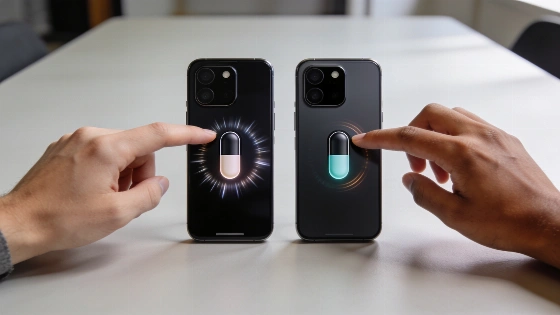
The clip is only a few seconds long. But it has tech fans arguing over two of the year's biggest phones: the iPhone 18 Pro and the Xiaomi 18 Pro. This video doesn't focus on camera specs or battery life. It zooms in on one thing-how each phone animates notifications and alerts around the pill-shaped camera cutout.
Apple first introduced Dynamic Island on the iPhone 14 Pro in 2022, turning the front camera cutout into an interactive area for notifications, timers, calls, and Live Activities.
Dynamic Island and its Android rival
Apple's Dynamic Island changed how people use the iPhone's front camera cutout. Notifications and live activities now blend right into the pill-shaped space. The viral video makes it clear-this feature is now central to the iPhone. Animations are smooth. Effects are eye-catching. Xiaomi's 18 Pro aims for the same goal. Its interface uses the camera cutout for dynamic notifications too. Android makers want to match Apple on software, not just hardware.
Several independent reviews confirm that Apple has reduced the size of Dynamic Island for the first time since the iPhone 14 Pro, though the company has not publicly disclosed the exact dimensions of the change.
Why animation design matters now
This comparison comes as phone makers try to make every pixel count. Camera cutouts are here to stay. The challenge is turning that hardware into a software win. Apple's Dynamic Island set a new bar. Xiaomi and others are now rethinking how notifications and alerts should work. The fight has moved. Animation design and interface smoothness now matter as much as specs.
A MacRumors analysis reports that the iPhone 18 Pro's Dynamic Island can now show up to three Live Activities at once. Earlier models only allowed two. The third activity is limited to system features like Now Playing or navigation.
For more on the iPhone 18 Pro Max's camera and battery changes, see our previous investigation.
This viral video does more than compare two phones. It shows what users now expect. The fight isn't just about hardware anymore. It's about who can make the experience smoother and more engaging. As brands push animation and interface design, users get more usable, lively phones. The focus has shifted. Usability is now at the heart of the smartphone race.