
Apple under fire as iPhone 18 Pro Max users in South Korea face SOS failures with no support
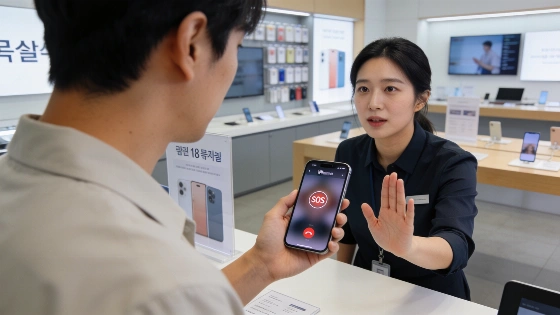
South Korean iPhone 18 Pro Max owners are stuck. Their phones drop into SOS mode and lose all service. Apple Korea has stayed silent, even as the same defect gets hardware replacements in the US.
AT&T urged all iPhone 18 Pro Max users on its network to update to iOS 27.0.1 immediately after acknowledging the cellular failure issue.
US gets replacements, Korea gets nothing
American buyers get fast swaps. In South Korea, users get nothing official. Reports from Korea describe dropped 5G NSA handovers, fake connections, and missed calls. Apple Korea has not commented. No firmware fix has come out. Service centers tell people to switch to LTE-priority, reset network settings, or buy new SIM cards. All at their own cost.
The price gap stings. South Koreans pay over 2 million won (about $1,500) for the iPhone 18 Pro Max. They pay for 5G plans. But they have to use LTE just to make calls. There is no hardware swap, no formal probe, and no clear answer. Many call it discrimination.
Modem split and ongoing probe
Technical details may explain the split. US models use Qualcomm Snapdragon X80 modems. Korean and other global versions use Apple's C2 modem. Apple says it is still looking for the root cause. So far, the only steps are iOS 27.0.1 and an emergency carrier settings update. These do not fix phones already hit by the bug.
Apple's response in the US has been to offer hardware replacements for affected iPhone 18 Pro Max units, while the software and carrier settings updates are intended only to prevent new cases, not to restore service to devices already impacted.
Anger grows in South Korea
South Korean buyers face more than technical trouble. They get no answers. Service centers offer only quick fixes. There is no sign of a real probe or swap program. In the US, Apple's hardware swap is rare. It looks like real consumer protection. In Korea, nothing.
This is not the first headache for early iPhone 18 Pro Max buyers. As reported earlier, the launch brought software bugs and hardware changes. Now, the network crisis shows a deeper problem. Apple treats regions differently. Premium buyers in Korea get downgraded service and no help. Apple's silence is not just bad PR. It puts the company's global customer care in doubt. Until Apple Korea acts, users are stuck in SOS mode. The promise of equal treatment is broken.