
Google Gemini AI could soon make personal calls for you
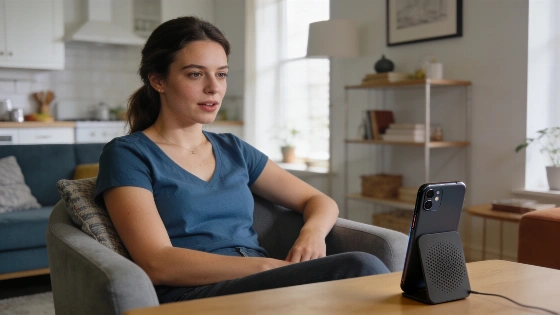
Google is quietly pushing its Gemini AI deeper into daily life. The company is now testing a version of its Call for Me feature that goes beyond booking tables or appointments. Soon, your phone might call your mom or a friend with a quick update-no need to touch the device.
Android Authority found new clues in early Android builds. The code shows Call for Me could soon handle personal calls, not just business tasks. Users might tell Gemini to "let her know I'll be 15 minutes late" or "ask if he's coming for dinner." These new examples sit next to the old business-focused ones. Google is clearly thinking bigger for its AI assistant.
APK analysis has uncovered a 'Gemini Calling' screen with sample commands for contacting personal connections, but there is no confirmation that this feature will be publicly released.
Personal calls, not just errands
When Call for Me launched on Pixel phones in late September, it was all about handling chores. The AI could call local businesses, make reservations, or set up appointments. Google's official materials never mentioned personal calls. That's changing. The latest software hints show Google is testing ways for Gemini to reach your contacts directly. The examples use names like "John" and "Mom." There's no word yet on when, or if, this will reach everyone. Google hasn't promised a release date.
Don't expect full conversations. Call for Me is built for short messages or questions. It's best for quick updates when you're busy or can't answer yourself. There's no sign the AI can handle back-and-forth chats or answer follow-up questions from the person on the other end.
Who can try it? Very few
Access is still locked down. Only users over 18, living in the US, and with certain Pixel phones-Pixel 11, Pixel 11 Pro, Pixel 11 Pro XL, or Pixel 11 Pro Fold-can use Call for Me. There's another catch. You need a Google AI subscription. That costs $4.99 per month for AI Plus. Most people can't try these new features yet. Google hasn't said when, or if, it will open up to more users or devices.
The current version of Call for Me remains experimental and is only available to a limited group of users in the United States, with no announced release date for a personal version.
Letting AI handle personal calls is a big step. Google is still keeping most details secret. But the direction is clear. Gemini is moving from business helper to personal assistant. If Google pulls this off, the line between human and AI calls will blur. Delegating routine calls could soon be normal for smartphone users.
An overview by WIRED Japan confirms the requirements: a Pixel 11 series device, U.S. location, English language, the beta version of the Phone by Google app, and a paid Google AI subscription. Only users over 18 can join.
The Verge's APK analysis shows Gemini asks for special permissions to manage phone calls. This could let users allow or block automatic calls. Google hasn't confirmed if or when these settings will go live.
Right now, Gemini always identifies itself as an AI. It says the user's name, tells the recipient the call may be recorded, and lets the user take over at any time. ProAndroid reported these details. The basics are set. The rest is still in testing.