Memory costs force electronics makers to cut orders
Rising memory costs are pushing up device prices and squeezing demand. PC shipments fell 20.1% as manufacturers cut component orders and suppliers sought savings.
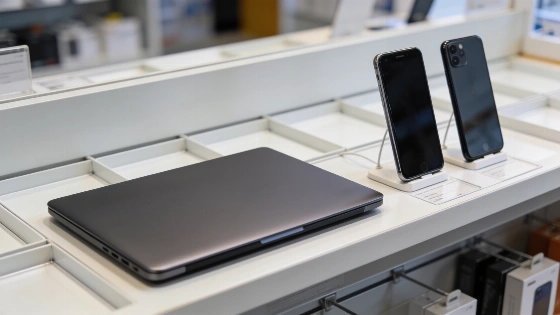
LPDDR5X prices rose 78% to 83% quarter over quarter in the second quarter of 2026. As memory costs climb, Samsung and Apple are cutting orders for some smartphone components.
Samsung Electronics' Mobile eXperience division asked partners to cut supply volumes by 20% to 30%. Apple cut orders for certain components used in the iPhone 18 Pro by 15% to 20%, information from Nikkei Asia. TrendForce forecast another 8% to 13% rise in mobile DRAM contract prices for the third quarter. ChosunBiz reported the figures.
The squeeze extends well beyond phones. Global PC shipments fell 20.1% year over year in the third quarter, to 62.7 million units. They also dropped 9.1% from the previous quarter, reversing the usual seasonal rise ahead of the year-end holiday period. IDC reported second-quarter shipments of 68.2 million PCs, down 4.9% from a year earlier, and forecast average PC selling prices would rise about 20% in 2026.
Memory procurement has grown more expensive, pushing up device prices and prompting some consumers to delay purchases. Manufacturers have shifted production capacity toward HBM and server DRAM for AI infrastructure. DRAM prices rose about fivefold over a year, while memory made up 43% of the component cost of a typical premium smartphone in the third quarter, up from 14% a year earlier, information from figures cited by ANI. Apple raised MacBook prices by as much as $300 in July, citing higher memory costs. Some consumers also moved purchases forward, fearing further increases, adding to the recent contraction.
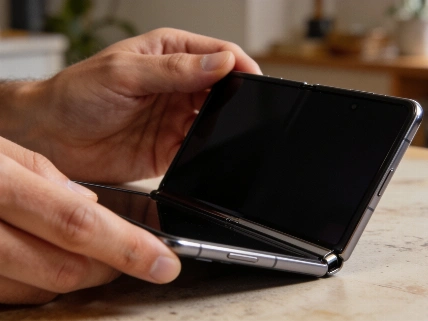
Phone prices have climbed too. The iPhone 18 Pro, released last month, starts at 1.99 million won in South Korea for the 256GB model, 200,000 won more than its predecessor. The 256GB foldable iPhone Duo was priced at 3.29 million won. Samsung raised prices across the Galaxy S26 series early this month.
Higher prices are arriving alongside cuts to component orders. Low-cost phones face particular pressure because memory makes up a relatively large share of their costs. Counterpoint Research estimates that global shipments of smartphones priced below $200 in 2030 will be more than 230 million units lower than in 2025, a decline of about 40%. Preliminary Counterpoint data separately put global smartphone shipments in the third quarter of 2026 about 20% below a year earlier, the lowest third-quarter level since 2012. Samsung held a 23% share, while Apple reached 22%, its first third-quarter share above 20%, despite a fall in its shipments, according to Reuters reporting.
Component makers are taking a double hit: order volumes are falling, and finished-product manufacturers are asking them to cut prices on other parts to offset dearer memory. Display suppliers are exposed. UBI Research puts Samsung Display's share of global smartphone OLED panel shipments at 46.9% in the third quarter and LG Display's at 11.8%.
For buyers weighing the cost of a premium phone, the price pressure adds context to the trade-offs covered in this iPhone 18 Pro Max review. Higher device prices and smaller orders are unfolding at the same time.
Samsung Display and LG Display are trying to protect profitability by increasing their share of higher-value OLED products as TV demand remains sluggish. Camera and 3D sensing modules supplied by LG Innotek and Samsung Electro-Mechanics are also exposed to weaker smartphone demand.
Manufacturers and suppliers are focusing on costs and productivity measures they can control. They are using AI to shorten research and development timelines while automating repetitive tasks.
Some departments in Samsung Electronics' Device eXperience division, which oversees set businesses, have reportedly been told to reduce full-time-equivalent headcount by 20%. FTE converts the total labor hours devoted to tasks into an employee count. The report has raised internal concern that the cuts may target structural workforce efficiency.
A source at a component company said recent negotiations with finished-product customers included discussions about possible order reductions. The source added that higher memory prices were directly hitting the electronics supply chain by curbing demand.
Topics: