
Guardians of the Rift changes Runecraft training in Old School RuneScape
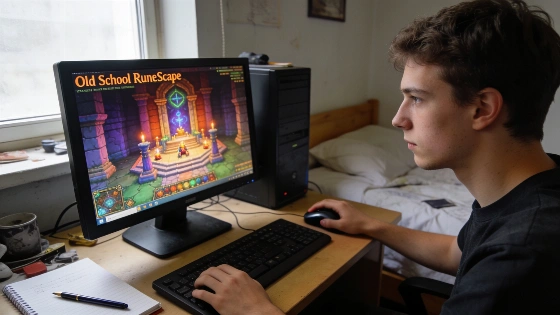
Players used to dread Runecraft. The skill was slow, repetitive, and offered little reward for the effort. That changed with Guardians of the Rift. Now, training Runecraft means chasing real progress. Players earn outfit pieces, unlock new tools, and see steady gains. The old days of endless pure essence runs are gone.
After the release of Guardians of the Rift, many Runecraft tasks and methods became accessible at lower levels, thanks to the minigame's rewards and unique items.
Level-specific routes and method selection
Training splits into clear phases. From level 1 to 27, questing is the fastest way forward. Between 27 and 55, Guardians of the Rift takes over. Players learn portal timing, collect outfit pieces, and gather pouches to speed things up. At level 55, the options open up. Some stick with Guardians of the Rift for steady rewards. Others switch to the Ourania Altar (ZMI) for banked essence and a slower pace. The lava rune method is there for those who want the highest experience rates and don't mind the intensity.
In late September 2026, Old School RuneScape introduced a major update to the Grand Exchange, allowing trades above the traditional 2.14 billion coin limit by combining coins and platinum tokens. This change reflects the evolving in-game economy and may influence how players approach high-value skilling and trading.
Quest integration and equipment upgrades
Some quests do more than give experience. Rune Mysteries, Enter the Abyss, Temple of the Eye, The Eyes of Glouphrie, and Lunar Diplomacy unlock new training methods and gear. Essence pouches are key. They let players carry more essence but break down over time. Keeping them in good shape is part of getting the best experience rates.
The guide's level-by-level method finder is a real help. It sorts methods by level and account type. Each entry lists rates, requirements, and setup tips. This turns each level into a new unlock. Players can change their plan as they get new quests, diaries, or gear. It's not a race. It's about making the most of what you have.
How the Runecraft meta has changed
Runecraft used to be a single path. Now, there are choices. The guide shows that player preference matters as much as raw numbers. Guardians of the Rift made early training easier and brought a sense of progress. Quests, gear upgrades, and flexible methods let players shape their own journey. The grind to 99 is no longer just a chore. It's a plan. For anyone serious about Runecraft, this quest-driven, structured approach is now the standard. The skill finally feels rewarding.