
Gamification turns classrooms into live learning arenas
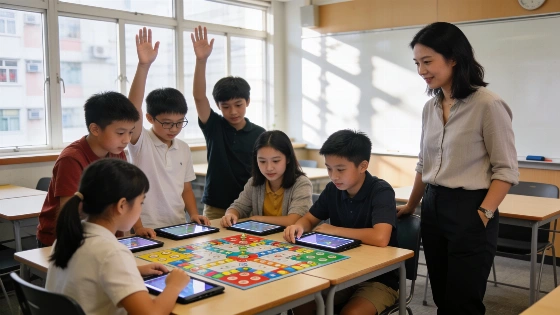
Students now walk into classrooms where points, badges, and leaderboards are part of the daily routine. Teachers are swapping out old routines for game-inspired lessons. The goal is simple. Get students to care, try harder, and remember more.
A 2025 randomized controlled trial published in the Journal of Computers in Education demonstrated that educational gamification can significantly enhance students' cognition, emotions, and motivation-offering some of the strongest evidence for its classroom impact.
Gamification is not just about fun. It taps into what drives people from the inside-autonomy, mastery, and purpose. Teachers use these levers to push students past their comfort zones. Competition and rewards, even small ones, keep students trying. They see their effort pay off. As one study shows, the right mix of challenge and reward can make students want to learn.
A 2026 systematic review in Smart Learning Environments found that competitive digital gamification in adult ESL classes not only boosts vocabulary retention but also increases motivation and engagement, reflecting a shift in research focus toward measurable learning outcomes.
But there are real hurdles. Game mechanics can drown out the lesson if not balanced. If students chase points and forget the content, the system fails. Too much competition can hurt. Some students may focus only on rewards. Good gamification builds real motivation and a growth mindset. It is not just a race for badges.
Access is another problem. Not every student has the same tech or interest. Teachers spend time and energy to keep activities fresh. Burnout is real. For gamification to last, it must change with students and new tech. It must stay fair and open to all.
Recent research shows gamification works outside core subjects. A 2026 article in PLOS ONE found that gamification boosts engagement in physical education. It works in STEM and non-STEM classes. Online learning is also changing. Studies in Education and Information Technologies show that gamified features help students stick with MOOCs. The line between classroom and online learning is fading.
Tech keeps moving. Artificial intelligence, augmented reality, and virtual reality are already in some schools. These tools make lessons more real and fit different learning styles. The options keep growing. Gamification is not just a trend. It is changing how students learn and what they remember.
When used well, gamification gives students control. They build skills that matter. They find meaning in what they do. The future of learning is here. It rewards those who play-and adapt.