
How Blockchain Could Change Cattle and Goat Farming
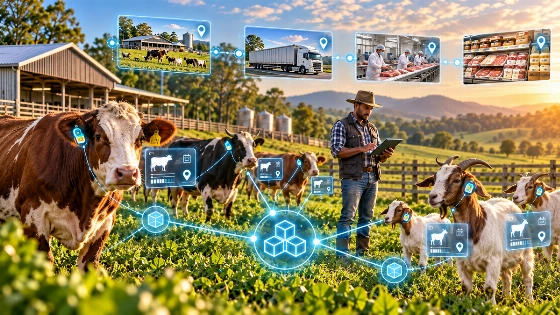
Title: How Blockchain Could Change Cattle and Goat Farming Description: Blockchain can give livestock farms a shared record of breeding, feeding, veterinary care, ownership and sales. For cattle and goat farming, that could improve traceability, simplify transactions and make supply chains easier to verify. Categories: Emerging & Applied Technology,Tech Explainers,Software Tags: Digital Identity Technologies,APIs,Data Warehouses
Livestock farming depends on records. Farmers track breeding, feed, vaccinations, animal movements and sales, while buyers and distributors need reliable information about where animals and products came from. Blockchain offers another way to store and share those records.
The basic idea is simple. Important events in the life of a cow or goat can be added to a shared digital ledger. Authorized participants can then check the history without relying on a single private database.
Tracking animals from farm to sale
A blockchain based system could give each animal or herd a digital record. Breeding information, veterinary treatments, vaccinations and ownership changes could all be attached to that history.
This does not make bad data impossible. Someone still has to enter accurate information. What blockchain can do is make recorded changes easier to trace and harder to alter quietly after the fact.
Better supply chain records
Traceability matters after animals leave the farm. Meat and dairy products may pass through processors, distributors and retailers before reaching consumers.
A shared ledger can connect those stages. Businesses could check where a product came from, when it moved through the supply chain and which records were attached to it. This can make audits and verification easier when several companies are involved.
Smart contracts for farm agreements
Smart contracts are programs that carry out predefined actions when specific conditions are met. In livestock farming, they could be used for payments, ownership transfers or agreements between farmers and investors.
For example, a payment could be released after a recorded sale or another verified event. The rules would have to be defined clearly before the agreement starts.
Digital livestock assets
Blockchain systems can also represent ownership or financial interests digitally. A farming project could use digital records to show who funded particular animals or parts of an operation.
This could give farms new ways to organize financing, but it also creates legal and financial questions. Tokenized ownership does not remove the need for contracts, regulation or clear rules about who actually owns the livestock.
What farmers could gain
The biggest advantage is better access to shared information. Farmers, buyers and distributors could work from the same history instead of maintaining several separate sets of records.
That may reduce paperwork, make animal histories easier to check and help farms prove where products came from. It can also make transactions easier to follow when several businesses are involved.
Blockchain is only part of the system
The technology cannot verify an animal by itself. Farms still need reliable identification, accurate data entry and clear procedures. Sensors, tags, veterinary records and management software may all feed information into the system.
Good data comes first. A blockchain can protect the record after information is entered, but it cannot automatically determine whether the original information was true.
A more connected livestock farm
For cattle and goat farming, blockchain is most useful as a record and coordination tool. It can connect animal tracking, ownership, payments and supply chain data in one system that different participants can verify.
The technology will not replace traditional farm management. Its value comes from making existing records easier to share and trace. Used carefully, that could give farmers and agricultural businesses a clearer digital view of livestock from birth to final sale.