Fix Kernel Security Check Failure in Windows 11
Start with recent hardware or driver changes, then check Windows files and memory before considering a reset. Safe Mode can help when crashes block normal startup.
A Windows reinstall cannot fix failing memory. Checking hardware first can spare you a disruptive repair that misses the cause. The stop code alone does not identify what went wrong, so test one change at a time and see whether the crashes return. Microsoft classifies KERNEL_SECURITY_CHECK_FAILURE as bug check 0x139, which reports corruption of a critical kernel data structure. Its four parameters help guide diagnosis: the first identifies the violation type, while the others provide context for debugging. A crash dump may offer more detail; Microsoft documents the 0x139 bug check parameters.
If Windows remains usable, save your work and restart from Start > Power > Restart. Disconnect any newly added peripheral before starting the PC again. On a Dell PC, unplug external drives and printers, along with other USB devices, but leave the keyboard and mouse connected. If stability returns, reconnect devices one at a time and test after each. For internal components, follow the PC manufacturer's service instructions.
Find the change behind the crashes
A driver update installed shortly before the crashes is a good first lead. In Device Manager, open the affected device's Properties and choose Driver > Roll Back Driver. Select a reason, confirm, and restart if prompted. This option requires administrator permissions and a previous driver retained by Windows. Microsoft explains driver updates, rollbacks, and uninstalls in its Device Manager guidance.
If rollback is unavailable, select Update driver > Search automatically for drivers. Another option is to download a matching driver from the device manufacturer's official website. Check that it matches the exact device and Windows version. To install a downloaded package, extract it if needed, choose Browse my computer for drivers in Device Manager, then select the extracted folder. If updating does not help, uninstall the affected device and restart. Windows will try to reinstall its driver, though some devices need manual installation afterward.
Install applicable fixes through Settings > Windows Update > Check for updates, then restart when prompted. If Windows Update fails, try its troubleshooter. Optional drivers appear under Advanced options > Optional updates; install only those relevant to the affected hardware. For crashes that began after a Windows update, Microsoft recommends trying the repair reinstall described below before uninstalling that update. Removing a security update also removes its protections, and some updates cannot be removed.
A separate Windows audio compatibility case shows why an update-related symptom needs to be tied to the affected software or component before assigning a cause.
Recently installed antivirus software may be relevant if its driver or service is implicated. The same goes for a VPN, utility, or game. Remove a suspect app through Settings > Apps > Installed apps and check stability afterward. When no single app stands out, a clean boot can help isolate a conflict. In System Configuration, hide all Microsoft services and disable the remaining services. Then disable enabled Startup apps in Task Manager. Record the original startup settings and restore them after testing. If crashes continue during a clean boot, move on to system-file and hardware checks.
Repair Windows and check the hardware
When normal startup is unreliable, use Windows Recovery Environment to reach Safe Mode. From the sign-in screen, hold Shift while selecting Power > Restart. From a working desktop, open Settings > System > Recovery > Advanced startup. If neither route works, interrupt startup with the power button at the Windows or manufacturer logo twice. Select Advanced options on the third start.
If recovery asks for a BitLocker basic, retrieve the recovery keys from your Microsoft account on another device. Match the basic ID shown on the affected PC, then enter the corresponding 48-digit basic. Select Troubleshoot > Advanced options > Startup Settings > Restart, then press 4 or F4 for Safe Mode. Remove the relevant driver or software and restart normally to test. Safe Mode starts Windows with a limited set of files and drivers, which helps isolate startup problems.
To repair Windows files, run Command Prompt as administrator. DISM repairs the component store before System File Checker checks protected files. Run these commands in order and wait for each to finish:
DISM.exe /Online /Cleanup-image /Restorehealthsfc /scannow
Keep the window open until verification completes. If Windows Resource Protection cannot perform the operation, Microsoft recommends retrying System File Checker in Safe Mode. If DISM cannot get repair files through Windows Update, a repair reinstall may offer another recovery route. These commands target the running Windows installation, so use recovery options if Windows cannot start.
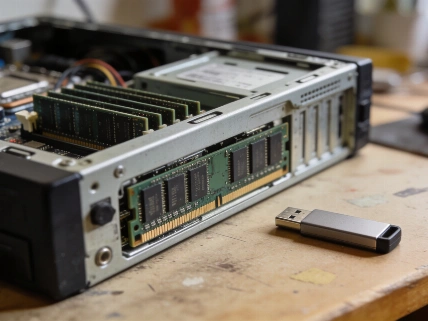
Run Windows Memory Diagnostic from Start and select Restart now and check for problems. You can also search Windows for the tool or run mdsched; the PC will restart to perform the test. Review its notification or check Event Viewer > Windows Logs > System for MemoryDiagnostics-Results. Microsoft describes the procedure in its memory diagnostic instructions. A reported memory error needs hardware investigation, while a passing test does not rule out an intermittent fault. Record the result and contact the PC manufacturer for model-specific servicing or replacement.
For an online check of an NTFS Windows lead, run chkdsk C: /scan in an elevated Command Prompt, substituting another volume letter if needed. To repair logical file-system errors, run chkdsk C: /f. If Windows schedules the repair for the next restart, type Y and press Enter. Back up accessible files before further disk investigation: CHKDSK cannot repair physically failing hardware. If diagnostics report a hardware failure, record the result and contact the manufacturer.
On a Dell PC showing thermal symptoms, place it on a hard, flat surface with vents unobstructed. Power it off and unplug it before using compressed air to clear dust from vents and fan intakes. Compare stability under light and heavy workloads afterward.
Use recovery options before a reset
System Restore can reverse system changes if a restore point predates the crashes. Open Control Panel > Recovery > Open System Restore, choose the earlier point, then select Scan for affected programs to review what may be rolled back. Personal files remain, while affected installed software and system changes can be reversed. If Windows will not start, open System Restore through Troubleshoot > Advanced options in recovery.
For startup failure, try Startup Repair from Advanced options and provide the BitLocker basic if requested. If Windows starts but earlier repairs fail, Settings > System > Recovery may offer Fix problems using Windows Update > Reinstall now. Keep the PC connected to power and the internet. This repair reinstall preserves apps, files, and settings. If the option is missing, availability depends on the installed Windows version and updates, as well as management settings. Contact an administrator if the PC is managed.
Compatible installation media offers another in-place repair route while signed in to Windows. Open its setup.exe, select Change what to keep, choose Keep personal files and apps, then continue with Install. Back up files before considering Reset this PC. Keep my files retains personal files while removing applications and settings. Choose Cloud download or Local reinstall, then review the proposed removals. Cloud download requires internet access.
System Restore can also help after a change. Microsoft lists the legacy Hardware and Devices troubleshooter for removal as MSDT retires. Use a supported Get Help troubleshooter or the manufacturer's current diagnostics instead. A named Windows component in a crash dump does not by itself prove Windows caused the failure. A technician can compare multiple dumps with event-log entries.
Memory integrity and Kernel-mode Hardware-enforced Stack Protection are not general fixes for this stop code. Microsoft documents a specific driver-loading conflict involving Memory integrity. Epic documents an Easy Anti-Cheat conflict involving Kernel-mode Hardware-enforced Stack Protection. Look for a compatible driver first because disabling either protection reduces security. Driver Verifier is intended for testing and debugging, and can deliberately cause crashes. It is not a routine repair for an everyday PC.
If the PC restarts too quickly to record the error, use Startup Settings in recovery and press 9 or F9 for Disable automatic restart on system failure. Note the stop code and any named module. Persistent crashes or reported hardware errors warrant manufacturer support before further reinstalls. Reinstalling Windows does not replace defective memory or other failing hardware.
Topics: