Apple cuts iPhone 18 Pro orders as buyers hesitate
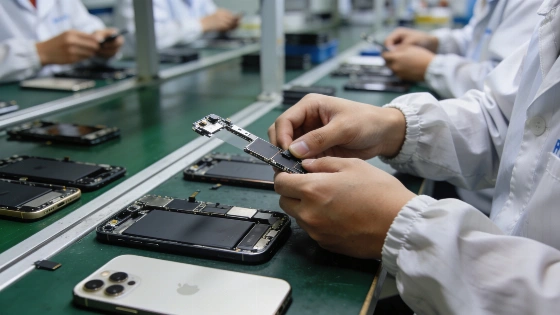
Suppliers in Asia got the call: Apple wants fewer iPhone 18 Pro parts on the line. The company has told its partners to trim production, reacting to what insiders describe as a clear drop in demand for its latest flagship.
UBS analysts observed that average delivery wait times for the iPhone 18 Pro have shortened across more than 30 markets, suggesting supply and demand are aligning more quickly than in previous cycles.
This year, Apple broke its usual launch rhythm. The iPhone 18 Pro and iPhone Duo landed in September, but the standard iPhone 18 and iPhone Air 2 are on hold until spring 2027. That split rollout has buyers weighing whether to jump on the Pro now or wait for the cheaper iPhone 18 or the foldable Duo, which opens for pre-orders on 16 October.
Prices for the iPhone 18 Pro lineup have climbed. Depending on model and storage, buyers face S$100 to S$800 increases. With higher sticker prices and pricier components, many are holding off, especially with new models just months away. The Economic Times reports October order cuts for both Pro models may have reached 15-20%. The demand outlook remains cloudy.
One of the key pressures on demand has been the shortage of memory chips and storage components, driven by high demand from AI infrastructure. This has contributed to higher production costs and, in turn, higher retail prices for new smartphones.
The iPhone Duo, starting at S$3,099, faces its own hurdles. Despite the foldable design, it skips features found on the iPhone 18 Pro, including a variable-aperture camera and Face ID. No dedicated telephoto lens or advanced camera controls, either. That could make it a tough sell at the top end.
Apple will report fiscal fourth-quarter earnings on 6 November. The company rarely breaks out sales by model, so analysts will have to parse the numbers for clues.
Earlier in the cycle, a network bug forced Apple to swap out some iPhone 18 Pro Max units, adding another headache for the launch.
Apple's production cut is a blunt signal: even the world's most valuable tech company can't sidestep shifting buyer sentiment or the risks of pushing prices higher. With buyers waiting for cheaper or more complete models, Apple's staggered launch and price strategy faces a real-world test. The next earnings call will show how much ground the iPhone 18 Pro has lost.