iPhone Air 2's Thin Body Could Test Its Premium Price
Leaks point to an A20 Pro chip and dual cameras, but a modest battery increase and possible heat limits could make the iPhone Air 2's expected premium price harder to defend.
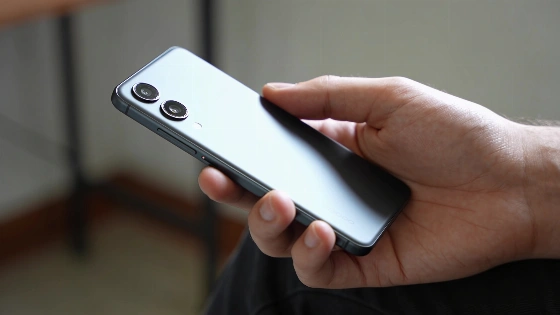
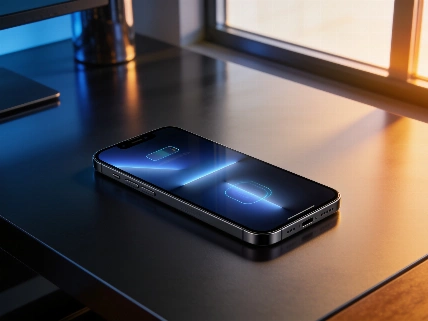
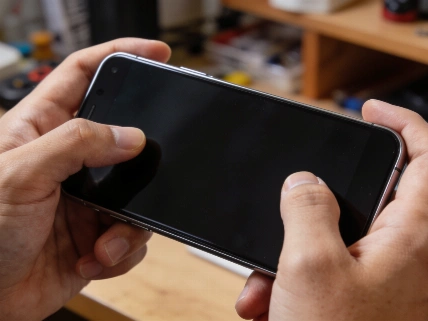
Apple has not confirmed the iPhone Air 2, but leaks already peg its rumored price at $1,099 to $1,199. The company is said to be pursuing a 5.2 mm body, about 7% thinner than the current iPhone Air's 5.6 mm, information from a MacRumors dimensions report. That slim design could constrain battery life and make heat harder to manage, putting sustained performance at risk on a premium phone.
The iPhone Air 2 remains a rumored device. Apple has announced neither its specifications nor a release date, so the design will need to feel meaningfully better in hand without making everyday use less practical. Some reports place the iPhone Air 2, standard iPhone 18 and iPhone 18e in a possible spring 2027 launch window. CNET has also reported that The Information linked a possible delay to weak sales of the first iPhone Air; Apple has announced no schedule.
Thinness puts battery and heat in the spotlight
Rumors point to a battery increase from 3,149 mAh in the current iPhone Air to 3,500 mAh, roughly 11%. Apple has confirmed neither the next model's capacity nor that improvement. The increase could help, but a slim chassis leaves less room for a larger battery. People who game or stream video may still worry about endurance. The compact design could also limit speaker performance.
Heat may prove the harder problem during long gaming sessions.
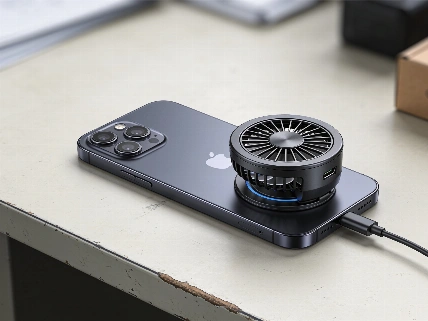
Under extended or demanding use, a thin device may struggle to shed heat. If temperatures trigger performance throttling, the phone could cut processing power and weaken multitasking. The reports do not establish that the rumored phone will overheat. Thermal management remains a design challenge Apple would need to solve.
Upgrades may not erase the trade-offs
The rumored A20 Pro chip is expected to bring efficiency and processing gains. A dual rear camera system would add versatility over a single-camera setup. Leaks describe a second 48-megapixel rear camera with an ultra-wide lens, alongside a rumored 48-megapixel basic camera; Apple has not confirmed the specifications. Reports trace the proposed second camera to a leak from Jon Prosser and an analyst note from Jeff Pu, not to an Apple announcement. Even with two cameras, the phone would trail the triple-camera systems found on many competing premium phones. Its compact body could also require a scaled-back GPU configuration, potentially limiting graphics performance on demanding tasks.
CNET has also reported a smaller Dynamic Island and new generations of Apple's modem and wireless chips. Reports identify the chips as C2 and N2. The A20 Pro chip is among those unverified specifications.
Apple's push toward thinner devices has drawn attention around a separate rumored product. An earlier thin-device report examined the iPhone Duo's vapor-chamber gamble and expected feature cuts. The Duo is a different device, but the report raises the same engineering question about slim designs.
The iPhone Air 2 would also need to avoid the niche-model problem. The iPhone 13 Mini offered a compact form but drew criticism over battery life. The iPhone 16 Plus, meanwhile, was described as falling short of expected performance for its price. A distinctive shape can attract attention, but it does not remove practical compromises.
The rumored price remains $1,099 to $1,199. Apple has not announced a release date for the iPhone Air 2.
Topics: