Saatchi Art opens global doors for artists
Saatchi Art lets artists show and sell their work to buyers in more than 140 countries. Payments are secure, and support is hands-on.
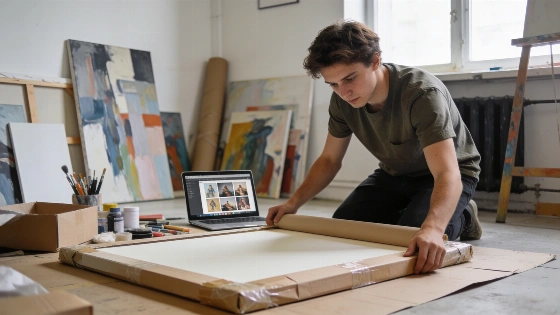
Artists looking beyond their local scenes can use Saatchi Art to reach buyers worldwide. The platform connects creators with collectors in more than 140 countries, offering global exposure and secure payments, along with business support and no gallery gatekeepers.
Saatchi Art receives about 12 million page views and 2 million visits each month, while its social media audience is close to 2 million. Its printed catalog reaches more than a million homes. The platform attends 14 international art fairs each year, putting artists in front of 100,000 people. Artists from more than 110 countries are represented on the site, and its non-exclusive setup lets them continue working with other galleries without penalties or strings. Saatchi Art was founded in 2010 in Santa Monica and, information from recent independent estimates cited by the Reevol supplier profile, employs around 420 people.
Saatchi Art makes selling straightforward: artists keep 60% of every sale, with no signup fees or surprise charges. The platform handles shipping, while artists pay for packaging. Payment options include check, wire, or PayPal, and a support team steps in if problems arise. Both artists and collectors are covered.
Sandy Dooley, Hormazd Narielwalla, Thomas Hammer, Annie Terrazzo, and Ben Edmunds have used Saatchi Art to develop their careers. Some landed solo shows; others found collaborators or funded advanced degrees. “The chance to reach a huge audience of art lovers through Saatchi Art is extraordinary, it has opened doors for me and sales have allowed me to develop as an artist,” says Dooley. For Edmunds, sales on the platform paid for postgraduate study at The Royal College of Art.
Saatchi Art's curators review every artwork, and art advisors present pieces to private collectors worldwide. Artists can also gain exposure through direct mail catalogs, digital ads, and social media campaigns. Editorial features such as Rising Stars and Digital Exhibitions put new names in the spotlight, while a dedicated team handles commercial partnerships. The Studio tool lets artists manage portfolios and upload more images, with sales accessible from anywhere. The Saatchi Art catalogue pages show that its 2026 catalog featured thousands of works from countries including India, Nigeria, Sri Lanka, France, and Saudi Arabia.
After a sale, Saatchi Art arranges courier pickup and handles the paperwork. The buyer pays for shipping, and the artist packs the work. Open edition prints offer another way to earn. Augmented reality tools let buyers preview art on their walls before purchasing.
Artists can get started with a short application featuring three sample works, identity verification, and a profile. The platform requests information about their background, education, and exhibition history to help boost sales and attract curators' attention. Saatchi Art welcomes artists over 18, regardless of their gallery status. Every medium is welcome: painting, sculpture, photography, and mixed media.
Saatchi Art offers newsletters, an Artist Handbook, and the Canvas blog, with tips on selling online and building a strong portfolio. Support staff are available by email or phone to answer questions and help with sales issues.
Saatchi Art takes 40% of original artwork sales, less than the 50% most galleries charge. If a promotional discount applies, the 60/40 split is calculated after the discount. Artists are paid 14 to 19 days after delivery and can request payouts through the sales dashboard.