Cold can shut down a phone before its battery runs out
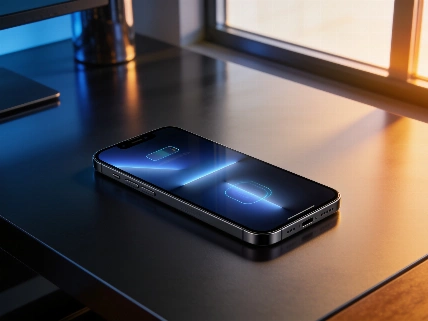
A phone can shut down in freezing weather while its battery meter still shows 20-30%. Apple and Samsung advise limiting cold exposure and waiting for the device to warm naturally before charging.
A battery gauge can still show charge as cold slows the chemical reactions that let a lithium-ion cell deliver power. Lower temperatures also raise internal resistance, which can push available voltage below what the phone needs under load. The device may shut down while its indicator still shows 20-30%. That reading alone does not mean the battery is faulty. Performance often improves once the phone warms.
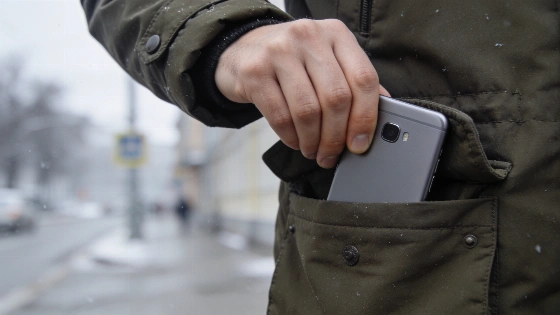
An inside pocket keeps the device warmer than an exposed jacket pocket or backpack. If you need to use it outdoors, headphones let you take a call while the phone stays tucked away.
Cold affects battery performance temporarily
Apple says very cold temperatures can temporarily reduce an iPhone's battery life. Performance usually returns to normal after the device warms, so a shutdown in cold weather does not by itself prove the battery is faulty. Apple's temperature guidance for iPhone sets an ambient operating range of 0 to 35°C and a storage range of -20 to 45°C for a switched-off device.
Samsung gives Galaxy phones an operating range similar to Apple's 0 to 35°C recommendation. A phone will not necessarily stop working at -1°C. Its response depends on how long it has been exposed to cold. Workload and battery condition also matter. Older devices can be more vulnerable because worn batteries have less reserve to handle voltage drops. Industry guidance estimates that some NMC lithium-ion cells retain about 60-78% of their nominal discharge capacity at -20°C under moderate loads, and about 30-55% at -40°C. Those figures describe battery cells, not the charge displayed or the expected performance of a particular phone.
To stretch battery life, turn on Low Power Mode on an iPhone or Power Saving Mode on a Samsung Galaxy phone. Lowering screen brightness can help, too.
Let the phone warm before charging
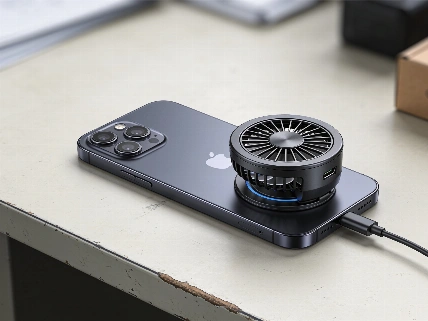
Once indoors, leave a cold phone in a dry room and let it warm gradually. Avoid placing it near a radiator or space heater. A hair dryer can expose it to excessive heat, too. Sudden temperature changes may cause condensation.
Apple and Samsung set temperature limits for charging. If a battery is too cold, the phone may pause charging until it warms. Charging a cold lithium-ion cell can cause lithium to deposit on an electrode, permanently reducing capacity and, in some cases, raising the risk of an internal short circuit. Standard cells are commonly rated for charging from about 0 to 45°C, though exact limits vary by cell design and battery-management system. Connect the phone to a charger only after it returns to an acceptable temperature. FLION Power's guide to low-temperature lithium batteries distinguishes the usually temporary performance loss during cold discharge from the potential lasting damage caused by charging below the cell's permitted temperature.
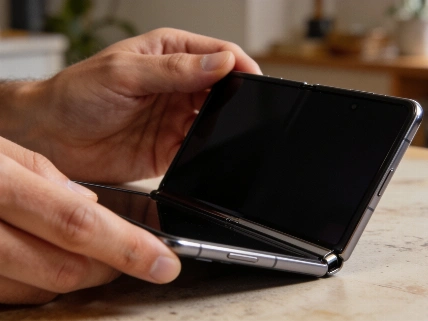
Apple's cold-weather guidance sits alongside the design trade-offs covered in our earlier iPhone design report, which examined the ultra-thin iPhone Duo.
Check battery health if shutdowns continue
If a phone works normally after warming but shuts down in freezing weather, cold may be the cause. Repeated shutdowns indoors or a sharp drop in battery life can point to a worn battery. System warnings about battery health are another sign to check.
On an iPhone, Battery settings show maximum battery capacity. Samsung Galaxy users can run a diagnostic through the Samsung Members app. If the problem keeps returning, consider visiting an authorized service center.
Topics: