
Microsoft Zune takes on iPod with WiFi sharing and subscription plan
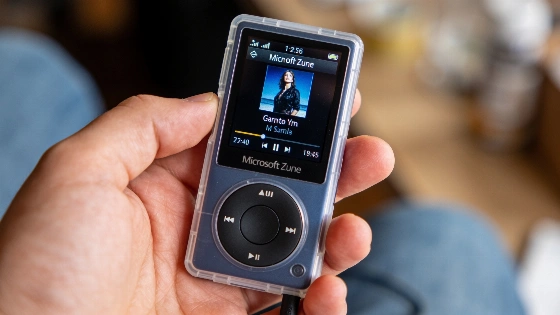
Microsoft didn't hold back. The Zune landed with WiFi sharing and a $14.99 monthly subscription, two things Apple's iPod never offered. The price? $249.99. Microsoft wanted to shake up the digital music scene. But could it really break Apple's grip?
Retrospective coverage of the Zune HD model highlights how Microsoft continued to iterate on its digital music strategy even after the original Zune's debut.
Microsoft wanted more than just hardware. The Zune Marketplace launched with two million songs. It offered unlimited listening for $14.99 a month. Single tracks cost 79 Microsoft points-about $1. But you had to buy points in $5 blocks. That made buying just one song a hassle. The music library matched iTunes in size, but the Marketplace missed podcasts and video. Users had to find and sync those files themselves. That left Zune behind Apple's smooth, all-in-one setup.
The Zune looked and felt chunky. It matched the size of early iPods but only packed 30GB of storage. Apple's iPod with video had 80GB. The Zune's 3-inch screen was bigger than Apple's and showed 320-by-240 resolution in both portrait and landscape. Watching videos felt easier. The shell came in white, black, or brown. It was translucent plastic, not glossy like the iPod, but it resisted scratches better. The navigation wheel stood out but wasn't touch-sensitive. You had to push, not glide. Some liked it. Some didn't.
Available search results do not provide independent confirmation of the Zune's launch price, storage capacity, or wireless sharing terms, highlighting the need for primary source verification when assessing early digital music devices.
Battery life fell short. Microsoft claimed up to 14 hours with wireless off. Real tests showed less-just under 12 hours with wireless on, 13 hours with it off. The iPod lasted 21 hours. Video playback ran for four hours. But with no movies or TV shows to download, that feature felt wasted.
The Zune did have some wins. It came with an FM radio and RDS data support. Reception was clear, and track info showed up on screen. Apple's iPod didn't offer that. The interface was clean and easy to use. You could set any JPEG as the background. Syncing with PC folders worked well. But the Zune didn't support PlaysForSure or WMA-DRM9. That meant music from Napster, Urge, or MSN Music wouldn't play. DRM confusion only grew.
The Zune was bold. It tried things Apple wouldn't. WiFi sharing and subscriptions were fresh ideas. But battery life, a smaller media library, and missing podcast and video support held it back. Until Microsoft fixed those gaps, the Zune stayed an interesting side option. Apple kept the crown. For now, nothing changed.