Jensen Huang pushes back on AI theft claims as US warns of sanctions over model distillation
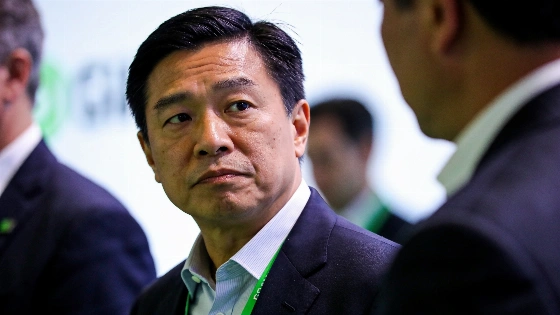
US officials have called AI model distillation theft. Jensen Huang, Nvidia's CEO, doesn't flinch. He calls it competition. The fight over what counts as innovation and intellectual property is now front and center in the US-China tech standoff.
On September 8, 2026, the NSA, CISA, and FBI jointly accused China-based AI firms of conducting 'industrial-scale' distillation of U.S. frontier models since at least late 2024.
The debate isn't just about ideas. Earlier this month, the US Cybersecurity and Infrastructure Security Agency accused Chinese AI firms of running massive knowledge-distillation campaigns. These campaigns, officials say, broke US companies' terms of use. Anthropic, a major AI company, also accused Alibaba's Qwen models and DeepSeek of illicit distillation. The US government's message is clear: unauthorized distillation is theft. Sanctions are on the table.
Reuters-linked reports say the NSA, CISA, and FBI advisory described "billions of tokens" and "millions of requests" aimed at advanced models like Claude, GPT, Gemini, and Grok. This scale has US officials worried about the security and ownership of top AI models. The advisory has become a key reference in the dispute, showing just how high the stakes are.
Anthropic reported earlier this month that it detected alleged illicit distillation involving Alibaba's Qwen models and DeepSeek, describing these incidents as part of a broader pattern of copying capabilities from leading frontier models.
Two worldviews are colliding. One side wants protection. The other wants open competition. This is the new front in the US-China AI arms race. Accusations are flying. Sanctions could hit soon. The big question: is model distillation a crime or just the cost of progress? Huang doesn't back down. For the world's top AI companies, the fight isn't just in code. It's about the rules themselves. The US may threaten penalties. But as long as the fastest learners win, the real battle stays out in the open.
As of September 2026, the US government draws a line between legal distillation in research and unauthorized extraction from frontier models. The latter could mean sanctions. But as of September 28, 2026, no sanctions have been confirmed. The debate is still raging in public and in the industry. Huang's recent CNBC interview excerpts show just how unsettled the issue remains.