iPhone 18 Pro still overheats during desert video shoots
Tyler Stalman found that hours of filming in temperatures above 30°C still pushed the iPhone 18 Pro into overheating, with Final Cut Camera proving least reliable. He praised the camera controls and brighter main lens.
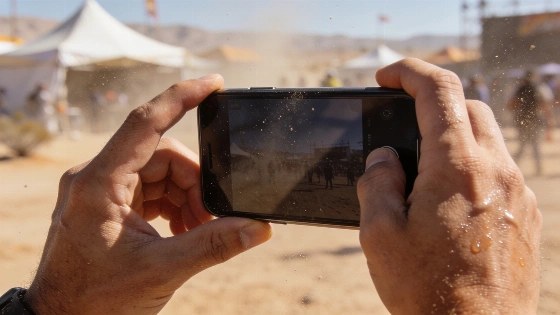
Tyler Stalman filmed his follow-up camera review entirely on the iPhone 18 Pro at Wasteland Weekend in California's Mojave Desert. During extended shoots in temperatures above 30°C, the phone still overheated, and camera apps began crashing.
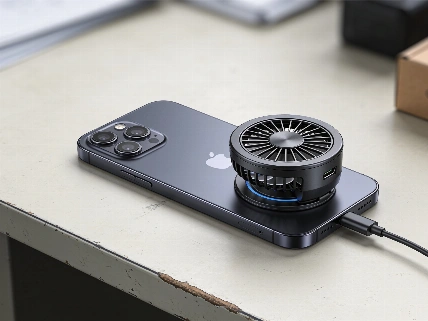
Apple added vapor chambers to the phone, which Stalman said helped in a controlled environment. Reviews describe the iPhone 18 Pro's vapor chamber as having three times the surface area of the previous generation's chamber, with up to 40% higher sustained performance cited as a benefit. Those figures describe the cooling design and sustained performance, not a guarantee that the phone will stay cool during every long shoot. The desert test was less forgiving: "still overheated, and more than I expected," he said. "I was hoping we'd completely solve the overheating issues, and I was still running into them."
Heat made filming apps unreliable
Final Cut Camera struggled most. "Final Cut Camera was the least reliable of them. I just could not shoot with it," Stalman said. Blackmagic Camera held up a little better, while Apple's Camera app was the most stable and became his fallback. In a separate account of everyday use in warm, sunny conditions, 9to5Mac's reviewer reported that the phone could still feel slightly warm but did not experience performance delays. The review, published October 16, 2026 and updated October 21, described routine outdoor use rather than prolonged professional recording.
Apple recommends using iPhone in ambient temperatures from 0°C to 35°C, according to a report citing Apple's guidance. Direct sunlight and extended recording can add to the thermal load. The report advises against combining long recording sessions with charging because charging can increase heat.
Battery life was another constraint. Stalman said shooting all day will "still crush your battery in half a day," even as other reviewers report better results. Charging made the phone hotter, creating what he called "a vicious cycle out there in the desert."
The test adds a heat-specific perspective to the related Pro Max review, while Stalman's findings focus on prolonged camera use outdoors.
Camera controls deliver useful gains
Apple's new pro controls earned stronger marks. Manual white balance had the biggest impact on Stalman's shooting because poor automatic white balance had previously pushed him to switch apps. He also found manual shutter speed useful, though it removes the usual 24-megapixel output. Manual aperture makes starburst effects easier. Photo ISO control remains unavailable.
Stalman called the f/1.48 main lens "the real star of the show," noting it is about half a stop brighter than the old f/1.8 lens. He said the variable aperture rarely mattered in everyday use and suggested leaving it on auto. For smaller files, he recommends setting ProRAW to compressed lossy, which produces files around a quarter of the size with no visible quality loss. For a film look, his Photographic Styles suggestion is Gold with tone at about -50 and colour at +10 or +20.
He still wants Final Cut Camera to support custom preview LUTs and saving directly to Photos, gaps that remain after the Final Cut Camera 2.4 redesign. His overall assessment: "an evolution, not a revolution." The iPhone 18 Pro starts at $1,749 in Canada.
Topics: