How the iPhone 18 Pro Max Could Make Travel Easier
Apple's 45-hour video-playback rating headlines travel upgrades, alongside a custom modem and expanded Live Activities.
Apple rates the iPhone 18 Pro Max for up to 45 hours of video playback. The previous high for an iPhone was 35 hours on the iPhone 17 Pro Max, though playback figures do not describe how long every traveler will get from a charge.
For trips, the phone's practical appeal extends beyond battery life. Its C2 modem, revised cooling system and camera controls target common tasks like staying connected and taking photos. In a November 2, 2026, fourth-quarter announcement, Apple described the iPhone 18 Pro and iPhone 18 Pro Max as its "most powerful iPhones yet," according to the Apple Newsroom announcement. Apple's specifications describe the features; they do not establish how every one will perform under all travel conditions.
Connectivity and updates on the go
The C2 is Apple's third-generation custom 5G modem and the first of its modems to appear in a Pro iPhone. Apple says it is 15% more efficient than the C1X in the iPhone Air. In the U.S., it also supports mmWave for the first time. Apple attributes improvements in signal quality and reliability to its control of the modem's hardware and software.
In the U.S., the iPhone 18 Pro Max uses eSIM only. Travelers can keep two numbers active at once and install more than eight eSIM numbers, so a travel plan can handle internet access while their regular number remains available for calls and messages. A digital SIM also cannot be physically removed and moved into another phone, making one route to accessing 2FA messages harder for a thief.
Apple's smaller Dynamic Island can show up to three Live Activities at once. A flight-gate update can sit beside a timer, while directions can appear in another activity. Users can also check Live Activities on the Lock Screen or through cards on the Apple Watch Smart Stack.
Camera controls and heat management
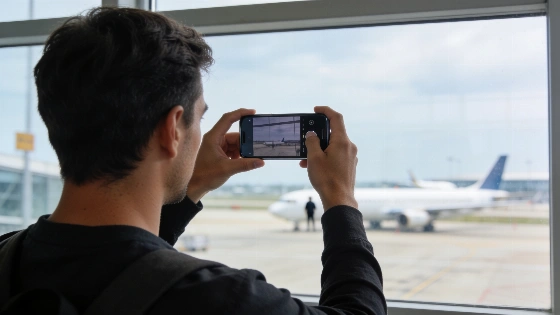
For travel photos, the Camera app adds controls for aperture, focus, shutter speed and white balance, plus a histogram. Aperture can be set from f/1.48 to f/4.0: a wider setting lets in more light, while a smaller opening can increase depth of field. Manual focus adds another option for shots with several subjects.
Shutter speed ranges from 1/1600 of a second to one second. Faster settings can freeze movement; slower ones gather more light and can create motion blur.
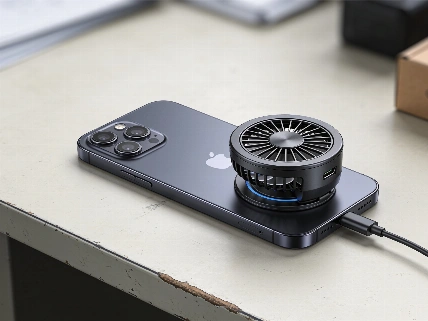
The iPhone 18 Pro Max also has an improved vapor chamber above its A20 Pro processor. Apple says the design moves heat away from the chip, supporting sustained performance and helping the display stay bright in direct sunlight. BGR tested the cooling system, but the supplied material gives no test measurements. Heat management may matter during long stretches of navigation or photo-taking, but the feature description does not quantify how much cooler the phone runs.
Battery life has limits
Apple says the phone can reach 50% charge in 30 minutes. Five minutes of wired charging is said to provide up to seven hours of video playback. Separately, Apple's battery-use model based on real-world data puts regular use at 30 hours on a full charge; that is a different measure from the 45-hour video-playback rating.
Travelers also need to consider conditions beyond battery capacity. A NerdsMagazine report on cold-weather phone shutdowns explains how cold can affect a phone even when its battery indicator still shows charge.
Topics: