Data Center Backers Lose Ground in Midterm Elections
Voters opposed data-center proposals in 38 of more than 40 races across 13 states. Texas Gov. Gregg Abbott lost his bid for a fourth term after making data center expansion a central campaign issue.
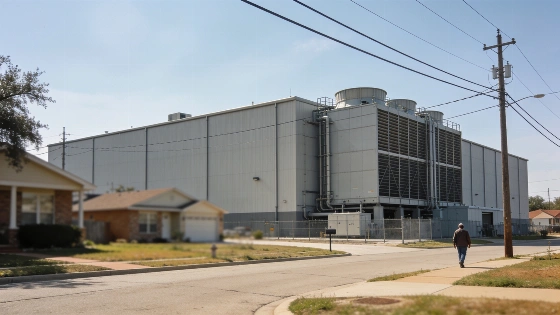
Texas Gov. Gregg Abbott lost his bid for a fourth term after Gina Hinojosa made his data-center record a central campaign issue. The margin exceeded 700,000 votes.
Across 13 states, voters opposed data-center proposals in 38 of more than 40 races, according to the reported tally, with counting still underway. Six cities voted to ban data centers outright; 12 voted to limit the megawatts such buildings could draw. Candidates who supported data centers also lost across the country. By November 4, a CNBC tally of ballot measures counted 41 local contests across 10 states, with voters rejecting or restricting development in 40; Harwood, North Dakota, was the sole exception. The measures covered bans and pauses on development, zoning restrictions, plus limits on electricity or other resource use.
In Burgin, Kentucky, mayoral candidate George Hensley lost to a write-in challenger after voting to approve a hyperscale project. Hensley was the only name on the ballot; Joe MonroeTK ran an anti-data center write-in campaign.
Texas voters rejected Abbott's data center record
Abbott had promoted Texas as a hub for data center development. The state has more than 300 working data centers, with plans to double that number. In 2025, at a press conference with Google CEO Sundar Pichai, Abbott said: "Texas is the epicenter of AI development," and, "We must ensure that America remains at the forefront of the AI revolution, and Texas is the place where that can happen." He accepted more than $9 million from data center-related donors.
As public sentiment shifted, Abbott announced a "pause" on new projects. Texas regulators kept approving data center projects after the announcement, and the state shut down its permitting web portal after 404 Media reported on it. In June 2026, Abbott directed regulators to develop requirements for data centers to pay for the energy infrastructure needed to serve them. On August 3, he halted new grid-connection approvals while state officials reviewed proposed projects. ERCOT was tracking more than 400 gigawatts of data-center projects seeking grid connections, according to U.S. News & World Report. Abbott's review examined electricity demand and environmental effects, while also weighing tax incentives, and was expected to continue through December. His administration also directed officials to enforce water-use reporting requirements and pause new environmental permits during reviews. These were temporary pauses and audits, not a permanent statutory moratorium. Hinojosa made Abbott's position a central campaign issue, and his comments about Texas's AI ambitions repeatedly appeared on television and online.
Hinojosa campaigned on a broader moratorium on data-center construction and pledged to eliminate subsidies and tax breaks for major developers. She also called for stronger community protections, with an immediate halt to new projects until lawmakers strengthened those protections. The Texas Tribune reported that Abbott had shifted from promoting Texas as an AI hub to pausing grid connections and environmental permitting; the incoming administration faced decisions about whether to extend those pauses or pursue a formal moratorium.
Local ballot measures and races
Emporia, Kansas, voted to ban high-impact data centers. The city had drawn attention after police arrested a school teacher for clapping during a data center-related meeting. In Yukon, Oklahoma, the mayor lost a recall election after supporting a hyperscale data center project.
"These midterms sent a clear message, people don't want to see data centers in their backyards," Michael Whitesides, deputy communications director for Local Progress, told 404 Media. He said people do not see the promised benefits of data centers and the AI they power in their daily lives. Local Progress is a network of local elected officials whose members have increasingly focused on data centers. Kim Rooney was elected mayor in Asheville, North Carolina, and Amanda Rodrigues was elected mayor in San Marcos, Texas, after running anti-data center campaigns. Whitesides said Big Tech would keep trying to "buy and bully local officials" into accepting more development.
404 Media reported that Elon Musk spent half a billion dollars on the midterms and wanted Texas to be covered in data centers. A little after 1 a.m., he posted on X: "Data centers in space looking pretty appealing right now," he said.