
Critical hunting gear essentials every outdoor adventurer must pack for safety
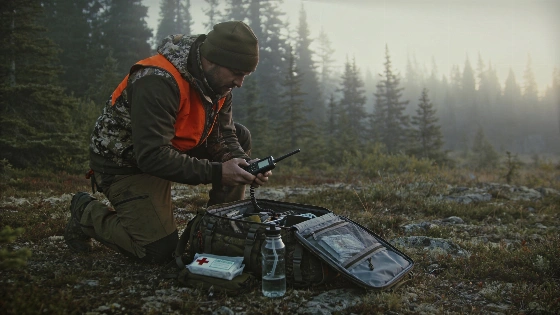
One slip in your packing routine can put you in real danger. Hunters who head out without a strict gear check risk more than a ruined trip. They put their safety and legal status on the line.
In Idaho, youth pheasant hunters are required to wear at least 36 square inches of visible hunter orange above the waist during the release season, with an orange cap typically meeting this standard.
Rules are strict. Carry your hunting license and every permit you need. This is not just about dodging fines. It shows respect for the land, the animals, and other hunters. Laws change by season, species, and place. You have to check the latest rules before you go. The U.S. Fish & Wildlife Service is the go-to for current licensing info. On federal wildlife refuges, some hunts need special permits. There are extra rules and fees. Always check local requirements before you leave home.
Next up: visibility and protection. Hunter orange is not about style. In many places, it saves lives. A blaze orange vest, hat, or jacket makes you stand out. It can stop deadly mistakes. Add ear protection for gunshots, eye protection for flying debris, and gloves for warmth and grip. These are not afterthoughts. They are your shield against injuries. The Virginia Department of Wildlife Resources tells hunters in tree stands to wear blaze orange so others can see them. This matters on the ground and up high. In New Hampshire, officials say any bright blaze orange-hat, bandana, vest, or shirt-makes you easier to spot in fall. It helps keep both hunters and hikers safe.
The Louisiana Department of Wildlife and Fisheries links the mandatory use of hunter orange directly to safety, highlighting its importance following several accidental hunting shootings in recent years.
Getting lost is one of the top reasons hunts go wrong. Relying only on a phone app is risky. GPS is good, but batteries die and signals drop. Always pack a real map and compass. Keep your phone in a waterproof case. Never count on cell service in the wild.
Accidents happen fast. A first aid kit is not optional. Pack bandages, antiseptic, painkillers, tweezers, an emergency blanket, and trauma gear. This kit is your lifeline when help is far away.
Water and food matter more than you think. Bring a big water bottle or hydration pack. Add water purification tablets or a filter. You cannot risk running dry. High-energy snacks-trail mix, protein bars, jerky, dried fruit-keep you sharp and fueled for long days.
Field dressing tools make the difference between a good harvest and wasted meat. Bring a sharp knife, a way to sharpen it, game bags for clean carry, and disposable gloves for hygiene. These are must-haves for ethical hunters.
Emergencies come without warning. You need a fire-starting kit, an emergency whistle, a personal locator beacon, a survival blanket, and a multi-tool. These are not for show. They are for the moments when your life is on the line.
All this gear is useless if you cannot carry it right. Use a tough hunting backpack with lots of pockets, a hydration system, and quiet zippers. This keeps your gear organized and close at hand. It also keeps you quiet in the field.
Preparation is not a one-time thing. Check your gear before every hunt. Replace anything worn out. Go over your checklist. The wild does not forgive shortcuts. A full gear list is not just about better odds. It is about making sure you get home safe. That is the only hunt that counts. It all starts with your gear and your safety habits.