Apple settles $250M lawsuit over missing iPhone AI features
Apple will pay $250 million to iPhone 16 and 15 buyers after a lawsuit over delayed AI features. Eligible users can claim up to $95 per device, depending on the number of approved claims.
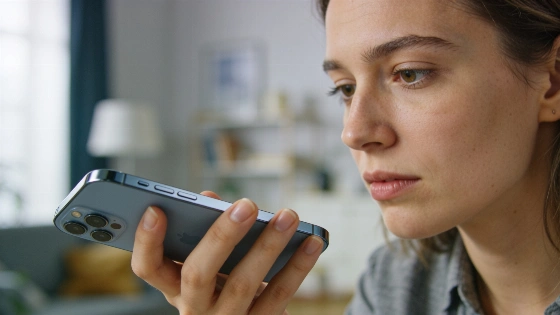
Buyers who found AI features missing from the iPhone 16 and iPhone 15 are covered by Apple's $250 million settlement. It covers claims involving delayed Siri features powered by Apple Intelligence on certain eligible models.
The settlement covers anyone who bought an iPhone 16, iPhone 16E, iPhone 16 Plus, iPhone 16 Pro, iPhone 16 Pro Max, iPhone 15 Pro, or iPhone 15 Pro Max between June 10, 2024, and March 29, 2025. Compensation will range from $25 to $95 per device, depending on the number of claims filed. Up to 36 million buyers could qualify, but the final payment per device will depend on the total number of claims, as outlined in the Simply Wall St case summary. Apple Support's list of iPhones compatible with Apple Intelligence includes only the iPhone 15 Pro and iPhone 15 Pro Max. The standard iPhone 15 is not eligible.
Clarkson Law Firm filed the lawsuit in May, accusing Apple of promoting AI features that were not ready. Buyers received less than advertised until iOS 18.1 delivered the missing tools weeks later. Court filings show that Judge Noel Wise of the Northern District of California granted preliminary approval to the $250 million deal on July 17, 2026, in Landsheft v. Apple Inc. (No. 5:25-cv-02668-NW). The final approval hearing was originally set for August 13, 2026, then rescheduled to February 24, 2027, in San Jose federal court.
Apple's agreement also addresses two other delayed features. After a 45-day notice and data check, the first payments are expected within 60 days after February 2027, though court schedules could change the timing. Apple settled without admitting wrongdoing, information from the official documents.
Starting September 21, buyers can visit SmartphoneAISettlement.com to check their eligibility and file a claim. The deadline is December 21, 2026. The process requires purchase details and verification, and payouts will follow once the court process ends. Verita, the settlement administrator, will notify eligible buyers by email or mail. The official site handles eligibility checks, as confirmed by a USA Today report.
Apple has faced legal and consumer pushback before. The iPhone 18 Pro, for example, saw a spike in returns in South Korea after a separate technical glitch, as reported earlier.
Topics: