
Amazon One takes flight to accelerate Prime delivery speeds
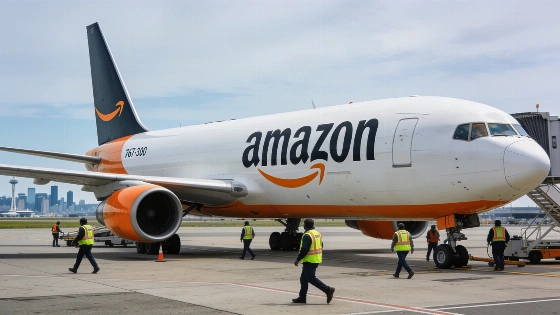
Seattle's Seafair festival saw something new in the sky. Amazon's first branded cargo plane, Amazon One, roared overhead just before the Blue Angels. The Boeing 767-300 wore Amazon's colors for the first time. This was no press room reveal. It was a public show of force.
Boeing is expected to end commercial production of the 767 in 2027, but continues to deliver new 767 Freighter aircraft, which remain a backbone of Amazon's air logistics strategy.
For years, Amazon built up its fulfillment centers and supply chain. That backbone made fast shipping possible. Now, the focus shifts to transportation. Amazon One leads a fleet that will grow to 40 planes in the next few years. This is about more than moving boxes. Amazon wants control over every step, from warehouse to doorstep. That means lower prices, more choices, and shipping speeds that others can't match.
At Seafair, Amazon invited Seattle residents to watch Amazon One fly over Lake Washington. People got a close look at the company's next big move. For those who missed it, Amazon posted a timelapse video of the plane getting its new paint job. More behind-the-scenes footage is coming. The rollout is just beginning.
Amazon Air does not operate its own aircraft directly, but instead relies on a network of contracted carriers to fly its branded planes. As of 2026, the company has continued to expand its fleet and has stated that, in the event of disruptions with one carrier, it can shift volumes to other partners to maintain delivery speeds.
Amazon has used the Boeing 767-300F/BCF before. The first Prime Air-branded 767 appeared at Seafair in 2016. That marked the start of Amazon's push for its own air network. Aviation industry reports say this strategy helped Amazon scale up fast and handle demand spikes, especially during peak shopping seasons. Boeing still builds the 767 freighter. It remains a workhorse for Amazon and global cargo.
Amazon Air has faced problems. In September 2026, a 21 Air-operated Boeing 767 carrying Amazon cargo crashed at Miami International Airport. There was a death. Amazon paused work with that carrier and shifted cargo to other partners. The company worked with the National Transportation Safety Board during the investigation. Reuters reported that Amazon spokesperson Kelly Nantel said the company supported the investigation and sent condolences to the families affected.
Amazon One and the growing air fleet are changing the game for Prime members. By investing in its own planes and using a flexible network of partners, Amazon is setting a new bar for speed and control in package delivery. Competitors will have a hard time keeping up.