
Alternative assets upend old investment habits
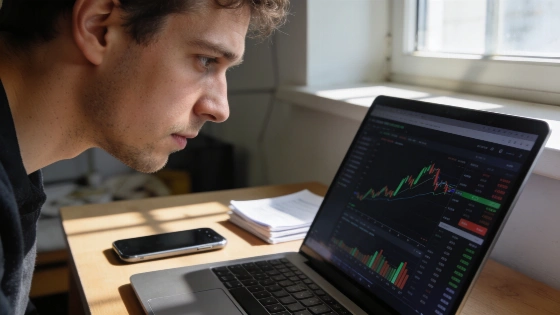
Kristoffer Koch once put $26.60 into Bitcoin and forgot about it. Years later, he found his digital wallet. It held $886,000. That's not just luck. It's a sign that the old rules-stocks and bonds, slow and steady-don't always fit the new world. Alternative assets are no longer a side show. They're changing how people think about risk and reward.
In 2026, alternative investors participated in LNG and midstream deals totaling $20.35 billion, more than double the volume seen in all of 2024.
What makes alternative assets different
Stocks, bonds, and cash trade on big exchanges. Alternative assets don't. Their value doesn't always rise and fall with the usual market swings. That can help when stocks drop. Real estate can bring in rent and grow in value. Hedge funds chase high returns with bold moves. Commodities like gold or oil can help shield against inflation. Digital currencies are a new frontier. They move fast and can swing wildly.
Why the surge now? Economic shocks and low interest rates have pushed investors to look elsewhere. The digital boom-especially blockchain and crypto-opened doors that used to be locked. Now, investment platforms and crowdfunding let regular people try deals once reserved for the big players. The 2026 SEC proposal aims to let more retail investors into private markets. After it was published in the Federal Register, a 60-day public comment window began.
How to get started with alternative investments
Jumping into alternative assets isn't easy. First, know your risk tolerance. These bets can be hard to sell and tough to predict. You might win big or lose hard. Next, check how each asset class has performed in the past. History doesn't promise the future, but it sets the tone. Pick assets that match your goals. Real estate offers stability. Private equity and crypto are for those who want high risk and high reward. Green energy attracts those betting on the future of sustainability.
On October 1, 2026, the SEC released a proposed rule on crypto asset custody for investment advisers and funds. Industry commentary emphasizes that this is only a proposal, not yet law, and the comment period runs until October 20, 2026.
Real-world wins and what comes next
Bitcoin's rise and Peter Thiel's early Facebook bet aren't just stories. They prove that alternative assets can change lives. But timing, patience, and a strong stomach matter. Fintech and crowdfunding are opening doors for more people. Blockchain is changing how assets are tracked and traded. But rules around crypto are still unclear. That could change everything overnight. The SEC's "Regulation Crypto Assets" proposal lays out two limits: a one-time startup exemption up to $5 million over four years, and a fundraising exemption up to $75 million in 12 months, as explained in a September 2026 client alert.
For those willing to dig deep, alternative assets offer new tools for a shaky economy. Relying on stocks and bonds alone is fading. The best investors now adapt, learn, and look for the next big thing-sometimes in a forgotten digital wallet. Diversification isn't just a buzzword. It's survival. Change is the only sure thing.