Why Are Pokies Called Pokies? The Term Explained
Australians and New Zealanders often call slot machines "pokies", while players in the UK and US usually say "slots". The difference comes from local language and the history of early poker machines, not from how the games work.
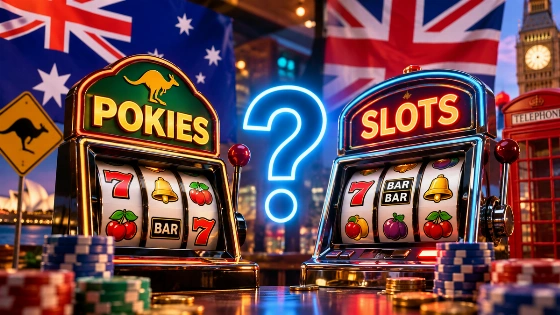
Visitors to Australia or New Zealand may hear people talk about "pokies" and wonder what the term means. Pokies are slot machines. The name is regional, but the basic game is the same.
The term is common in pubs and clubs, and people use it in casinos too. It also applies to online versions of the same games. Players must follow the age limits and gambling laws where they live.
What does "pokies" mean?
"Pokies" is an informal Australian and New Zealand term for slot machines. These games use reels and symbols, with paylines and features such as wilds and scatters. Many modern versions also include bonus rounds.
There is no separate technical category called a pokie. If someone in Australia says they played the pokies, they mean slots.
Where did the name come from?
The term is generally linked to early "poker machines". Some older machines used poker cards, with poker-style combinations on their reels. Australian English shortened "poker machine" to "pokie", and the plural became "pokies".
The nickname stuck. Later machines moved far beyond poker themes, but people kept using the same word.
Where is the term used?
Australia and New Zealand are the basic places where "pokies" is part of everyday speech. In the UK, "slots" and "fruit machines" are more familiar. In the United States, "slot machine" is the standard term.
The difference is mostly linguistic. A machine works the same way whether one country calls it a pokie and another calls it a slot.
Pokies and slots are the same thing
Modern pokies and slots use the same basic principles. Digital versions rely on software and random number generation to determine each spin's result. Features such as multipliers and bonus games can appear under either name, as can special symbols.
Individual games can still differ a lot. RTP and volatility may vary between products and markets. So can bet limits and bonus structures. Local rules can also limit certain features. Those differences come from game design and regulation, not from the words "pokie" or "slot".
Why does the UK say "slots"?
The term "slot machine" grew from the physical coin slot found on early machines. Players inserted a coin into the slot to start a game, making the name an obvious choice.
"Fruit machine" also became common in Britain because many traditional machines used fruit symbols, including cherries and lemons. The term remains familiar even though modern games use much broader themes.
Do they work the same way?
Yes. Modern machines use the same basic game logic regardless of the regional name. The system behind the game determines outcomes, while the rules explain winning combinations and available features.
Regulation varies by country. Testing standards can differ, as can age restrictions and disclosure rules. Maximum bets also vary. Anyone comparing games should check the actual rules, RTP and volatility instead of relying on the local nickname.
Which term is more common?
"Slots" is the more widely recognized international term. "Pokies" remains strongly associated with Australia and New Zealand.
Neither word describes a different game. They are two names shaped by local history: one came from the coin slot, while the other grew from the old poker machine.
Topics: