Valve opens SteamOS to rival handhelds and desktop PCs
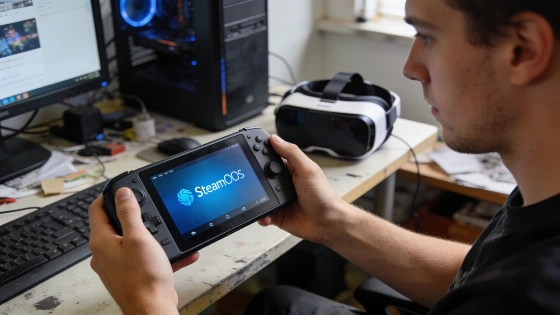
SteamOS is no longer boxed in by the Steam Deck. Valve has started rolling out updates that put Windows 11 on notice in the handheld gaming world. With SteamOS 3.8.28 stable and 3.9.2 Beta landing in late September 2026, Valve is pushing hard to support more hardware, including the Lenovo Legion Go 2 and select ASUS handhelds. Desktop PCs and Valve's own VR headset also see direct gains.
SteamOS 3.8.28 became the new stable release on September 24, 2026, introducing Linux kernel 6.18.50, improved Mesa ray tracing, and fixes for HDMI freezes in Desktop Mode and SD card removal.
Third-party handhelds and desktop expansion
Valve is now openly targeting third-party handhelds. SteamOS 3.9.2 Beta brings real improvements for the Lenovo Legion Go 2, but Lenovo hasn't officially signed off on the OS for its device. The Legion Go Gen 2 product page skips SteamOS as a pre-installed option, so users have to rely on community guides and accept the risks of unofficial support. ASUS handhelds get targeted fixes in this release, chipping away at the idea that SteamOS is a closed shop.
On desktops, SteamOS 3.8.28 stable now installs on generic AMD-based PCs. Nvidia support is still limited, a direct result of Valve's AMD-first hardware focus. The 3.8 branch is the safe bet for users who want reliability. The 3.9 beta channel is where new features and hardware support land first, but users should expect the usual beta bumps. As detailed in a NerdZap report, the 3.8.28 update also improved video memory management and fixed HDMI freezing in Desktop Mode and during SD card removal.
VR headset gains and strategic direction
Valve is also tuning SteamOS for virtual reality. The Steam Frame OS fork, now at version 0.4.3 Beta, has squeezed up to 12% more battery life and better power efficiency from Valve's VR headset. This focus on efficiency and controller-first interfaces is a direct play to outpace Windows 11 in handheld and VR gaming, where battery life and boot times matter most.
By the end of September 2026, the official 'Powered by SteamOS' label applied only to Steam Deck, Steam Machine, and Lenovo Legion Go S, while installations on other devices and custom builds remained in beta status.
Valve's calculated gamble
Valve is breaking SteamOS away from the Steam Deck brand and betting big on Linux gaming's future. The company is doubling down on AMD hardware, delivering real battery and performance gains, and expanding compatibility step by step. Nvidia support and official OEM endorsements are still missing. For users, the choice is simple: 3.8.28 stable for reliability, or 3.9.2 Beta for new features and broader hardware support-with the usual beta turbulence.
Valve's playbook is clear. By opening SteamOS to more devices and tuning for handheld and VR gaming, Valve is staking its claim as the only serious Linux-based alternative to Windows 11 in this space. The lack of official third-party support and limited Nvidia compatibility remain real hurdles. The pace and intent are set by the latest updates and hardware moves.