
Trump's SI push triggers million-dollar .si domain scramble
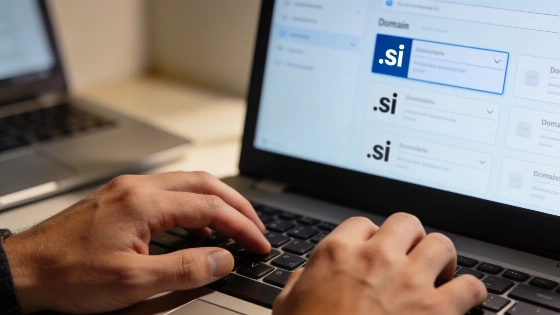
Prices for .si domains have exploded since President Trump called for AI to be renamed Super Intelligence, or SI. The change is all about branding. There is no new technology behind it. But that hasn't stopped a stampede for Slovenia's .si web addresses. Opportunists and big companies are both chasing these domains. Some are paying seven figures.
Adam Cochran, an independent journalist, says the Trump administration tipped off insiders. He claims people close to Trump registered thousands of .si domains before the rebrand hit Truth Social. Cochran says more than 10,000 AI-themed .si domains have been grabbed in the last few months. Some are already listed for sale at over $1 million. The domain AI.si is reportedly up for at least $700,000.
According to Register.si, registrations of .si domains soared from under 2,000 in August 2026 to approximately 44,000 in September, marking a surge of more than 2,100%.
Corporate moves and denials
Major companies are jumping on the SI bandwagon, even though nothing technical has changed. Elon Musk says he will rename SpaceXAI to SpaceXSI. That shows how fast the new label is spreading at the top. A Reuters-based report notes the SpaceXAI account on X had not changed names yet. No date for the switch has been given. The White House and Register.si, Slovenia's official domain registrar, both deny any role in the domain rush. So far, there is no direct proof linking Trump or his circle to the buying spree. But the timing and the scale have fueled talk.
DynaDot is the biggest bulk registrar for .si domains. It keeps Whois data private. That makes it hard to see who owns what. DNS records show many domains now point to bulk domain squatters. A cluster of pro-US and pro-MAGA names were registered the same day as the AI domains, exactly 53 days ago. The money from these sales goes to the registrar. Slovenia's treasury gets nothing.
President Trump first promoted the term 'Super Intelligence' publicly during his speech at the United Nations General Assembly on September 11, 2026, stating that the word 'artificial' makes intelligence seem fake, even though the technology is 'amazing.'
Inside the SI rebrand
Trump says the word "artificial" makes intelligence sound fake. He insists, "It's actually amazing," as quoted by the AP. The rebrand comes as critics slam AI for job losses and the environmental toll of data centers. During the SI rollout, Trump met with AI industry leaders. They signed a non-binding pledge to self-regulate. Whether that means anything is still up in the air.
On September 29, 2026, Trump signed an executive order. It tells U.S. federal executive agencies to use "Super Intelligence" and "SI" instead of "Artificial Intelligence" and "AI" in all official documents, websites, and reports. A Newsweek report explains the order only covers the federal executive branch. It does not force a global name change. The order does not create a new technical standard or legal category. "Super Intelligence" and "SI" still mean the same technology as before.
The SI rebrand has not changed how the tech works. But it has set off a speculative frenzy in the domain market. Tech giants are now forced to play along. Millions are changing hands for domain names alone. No new innovation. Just hype and branding. For now, domain speculators and registrars are the only clear winners.