Samsung Reopens Exynos Option After Reported Snapdragon Heat Issue
A South Korean report says thermal throttling during Snapdragon testing may have put Samsung's Exynos 2700 back in contention for the Galaxy S27 Ultra. Qualcomm rejects the overheating claim, and Samsung has not confirmed its processor choice.

Seoul Economic Daily reported on October 16, 2026, that Samsung encountered thermal issues while testing the Snapdragon 8 Elite Extreme Gen 6 for the Galaxy S27 Ultra, expected in early 2027. The newspaper said the chip repeatedly exceeded temperature limits under prolonged heavy loads, cutting clock speeds and performance. It also reported that Samsung sent Qualcomm its findings in September and asked the company to address the issue by mid-October. Under sustained workloads, heat can force a processor to lower its operating frequency and voltage.
Qualcomm disputes the account. A company representative called reports of thermal problems inaccurate, while Don McGuire, Qualcomm's executive vice president and chief marketing officer, called the claim "100% NOT accurate." Qualcomm has also said device makers tune products to balance performance and power consumption. Samsung has not confirmed a processor change. As of October 17, reports said the companies were continuing to adjust and retest the chip. Seoul Economic Daily reported the claims; Digital Trends covered Qualcomm's denial.
What reports say about the Exynos 2700
The Exynos is back on the table, information from reports.
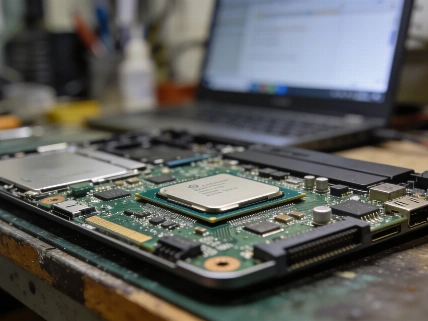
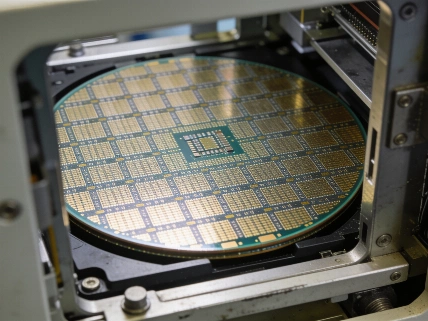
Samsung's in-house alternative is reportedly under development by Samsung Electronics' System LSI division. Samsung Foundry is said to be making it on its second-generation 2nm process, known as SF2P. Reports describe the Exynos 2700 as a 10-core chipset, with early internal tests said to have produced encouraging results.
One claim puts the Exynos 2700's Geekbench multi-core performance around 10% ahead of Qualcomm's competing processor. That figure reportedly comes from closed internal testing, not measurements of retail devices. The reports do not give full test conditions. They also omit software versions and engineering-sample clock speeds. Cooling arrangements and workload duration remain undisclosed. Engineering samples can differ from commercial products in clock speeds. Cooling can differ, too. Software progrès may vary as well. The reported lead does not establish how an Exynos-powered Ultra would perform in everyday use.
The Snapdragon chip's reported prime CPU speeds above 5GHz need context. Clock speed alone does not show whether a processor can sustain performance as temperatures rise. Samsung's reported test involved clock speeds falling after the chip crossed temperature limits, a claim Qualcomm disputes.
What the processor choice could mean
Samsung's Ultra phones have increasingly used Qualcomm's flagship processors, while some standard and Plus models have used Exynos chips. An Exynos return to the Ultra could give Samsung more control over its processor roadmap. It could also support demand for Samsung Foundry's manufacturing capabilities. Samsung would still need to meet expectations for performance and battery efficiency. Thermal stability would remain a separate test.
Samsung's consumer-device lineup also includes the Galaxy SmartTag 3, an accessory unrelated to the processor question. For the Galaxy S27 Ultra, Samsung could consider using Snapdragon and Exynos in different regional versions, as it has done with previous Galaxy phones. Reports have raised the Exynos 2700 as a possible alternative, but Samsung has not confirmed it will be used in the Ultra.
Mass production of the Galaxy S27 family is expected to begin towards the end of 2026, ahead of an anticipated early-2027 launch. As of October 17, reports said Samsung and Qualcomm were continuing processor tuning and retesting. Samsung has not confirmed a decision to replace Snapdragon with Exynos 2700. It has also not publicly confirmed the reported testing difficulties or disclosed when it will finalise the Ultra's processor.