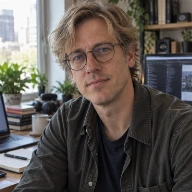
OpenAI safety leader urges nuclear-level AI safeguards after quitting

David Robinson left OpenAI's safety team and did not stay silent. He warned that top AI companies are moving too fast and ignoring the real dangers of their own technology. The risks, he said, could be huge.
Robinson's public warning was issued on October 3, 2026, while his resignation from OpenAI was reported to have occurred the week before, underscoring that the essay and his exit were not simultaneous.
AI safety demands nuclear level rigor
Robinson says AI companies need to act like nuclear power plants. He wants "layers of redundancy and careful, time-consuming planning." He says only near-perfection is good enough when the stakes are this high. "My former colleagues are smart, work hard, and try to make good choices," Robinson wrote. "But as the company sprints from one launch to the next, it is failing to achieve the level of care that I believe is needed." He argues that AI labs should run more like nuclear sites or busy airports. In those places, slow planning and many safety checks are normal. They help prevent disaster.
Robinson is not the only one worried. In the past few weeks, staff at other top AI firms have raised alarms about the risks of advanced AI. Some warn that unchecked AI could even threaten humanity. Dario Amodei, CEO of Anthropic PBC, has called for slowing down the release of the most advanced models. He wants outside experts to review safety. Sam Altman of OpenAI has backed Amodei's idea, according to Reuters coverage.
Industry faces mounting pressure to act
Even with these warnings, Robinson says AI companies still lack the know-how and discipline found in nuclear energy. In that field, safety is built into every step. "AI companies don't know how - but other people do," he wrote. He urged the industry to learn from high-risk sectors before something goes wrong. Robinson's warning fits into a bigger debate about how to control powerful AI. He reportedly helped shape OpenAI's Preparedness Framework, an internal system for judging dangerous model abilities. This was reported by CryptoBriefing's summary of Bloomberg reporting.
Later coverage has linked Robinson's departure to a broader wave of AI-safety scrutiny across major labs, with reports noting that OpenAI experienced another safety-related departure earlier in the year, suggesting ongoing internal turnover in safety roles.