
OpenAI rolls out ChatGPT for teens, but safety gaps remain
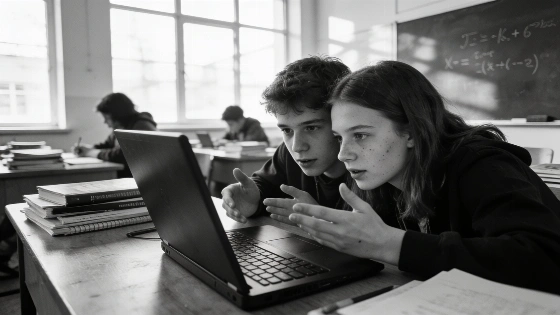
OpenAI is trying to contain a problem it helped create. The company is launching a ChatGPT version for teens. It comes with extra safety rules and a push for learning, not shortcuts. But this is not a breakthrough. It is a quick fix for a technology that has already slipped out of its makers' control.
OpenAI requires parental consent for users aged 13 to 18, and explicitly prohibits ChatGPT use by children under 13 unless an adult is directly supervising educational activities.
Teen model promises more guardrails
The new ChatGPT for teens adds safety features. Teens get reminders not to upload sensitive images. There are tighter limits on what they can talk about. OpenAI says the focus is on learning, not cheating. The company wants to stop the chatbot from helping with academic dishonesty or triggering mental health issues. But many doubt these steps will work.
Teens are good at finding workarounds. Schools have tried to block games and distractions for years. Students always find new tricks and share them. Now, the same thing is happening with large language models. Early jailbreaks broke through the AI's prompt rules. Safety rails have improved, but new exploits spread online fast. Developers can't keep up.
Flawed verification and the arms race
OpenAI added parental controls. Parents can link their accounts to their teen's, set some limits, and get alerts about serious safety risks. But parents can't see chat history or activity logs. They only get notified if a trained specialist spots a major safety threat, according to the OpenAI Help Center FAQ.
OpenAI's age detection model uses a combination of behavioral and account signals-such as account age, typical activity times, long-term usage patterns, and declared age-to estimate whether an account belongs to a user under 18.
The new model might stop some casual users. It does not fix the core problem. Why was such a powerful tool released to a generation already struggling with independence, social skills, and school? The industry rushed to launch LLMs before understanding their effects. Research like "Your Brain on AI" points to real risks. Heavy AI use can change how the brain works and weaken thinking skills. There are reports of real harm. Some cases involve injuries or deaths linked to AI errors or hallucinations.
OpenAI's teen guardrails are a surface-level fix. The industry created this mess chasing profit. Trying to fix algorithmic harm with more algorithms is a losing game. If the goal is to protect young people, relying on the same companies that built the problem will not work. Real change will take a hard look at how and why these tools are everywhere now.