
Linux 7.3-rc6 lands as AI reshapes kernel workflow
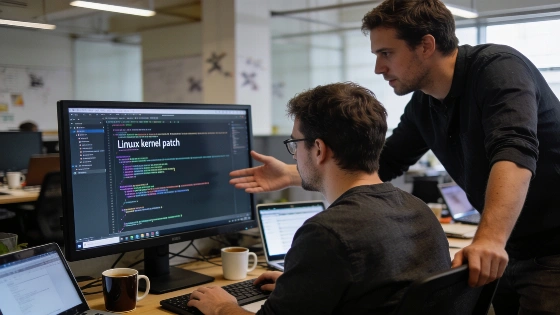
Linus Torvalds pushed out Linux 7.3-rc6 this week. The release hit as AI-generated patches and bug reports keep pouring in. Kernel mailing lists and the main tree are now packed with automated submissions. Maintainers face a new reality: constant triage, endless review, and a flood of machine-made code.
Greg Kroah-Hartman, the second most senior Linux kernel maintainer, has begun rejecting LLM-generated patches for the staging branch, except for valid security fixes, introducing a stricter filter on AI-generated content.
Key changes and reversals in Linux 7.3-rc6
This release adds support for the Turtle Beach VelocityOne Race wheel and pedal system. That means more hardware works out of the box. But not all changes stuck. The team pulled back Logitech Bolt receiver HID++ support. Users reported too many bugs. The risk was too high. Fast patch integration has a cost. The kernel team is now more cautious, especially with so many AI-generated patches in the mix.
Networking fixes are still a big focus. Some have been delayed. Maintainers are busy sorting through AI and LLVM-generated submissions. Driver updates dominate the diffstat. There are fixes for GPU, networking, USB, tty, iio, and sound drivers. Filesystem work continues, especially for the SMB client. New selftests are in too. The spike in AI-generated patches forced a tougher triage process. Only the best patches make it to mainline now.
Development pace and upcoming challenges
Torvalds says the churn is heavy, but commit counts and patch flow have settled. This is the new normal. The upcoming maintainer summit and Linux plumbers conference could slow things down. Key maintainers will be traveling. Torvalds does not expect major delays. But his own family vacation could make the next merge window unpredictable. Industry notes confirm Linux 7.3 is in the final release candidate stage. The full release should follow soon after RC6 or RC7. This is the end of the cycle, not the start of a new branch. For more on the timeline, check the Aptivi Weekly Tech News Issue #18.
The influx of AI-generated kernel patches has overloaded the staging process, prompting maintainers to adopt a stricter triage model to manage the volume and maintain code quality.