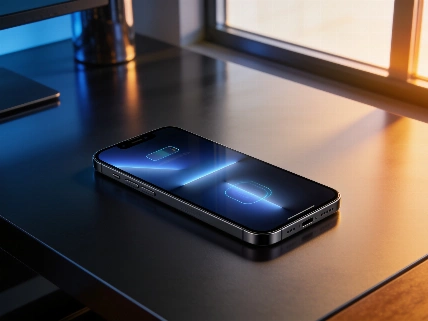
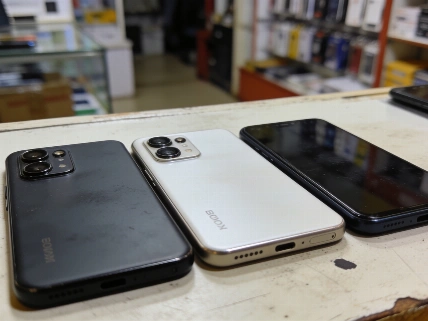
iPhone Duo Resale Prices Slide Below Retail in Korea
SellCell's highest quoted price for the 2TB iPhone Duo fell 38.4% to $1,971 about two weeks after launch. In Korea, the reported price for unopened 256GB devices also slipped below the 3.29 million won factory price.
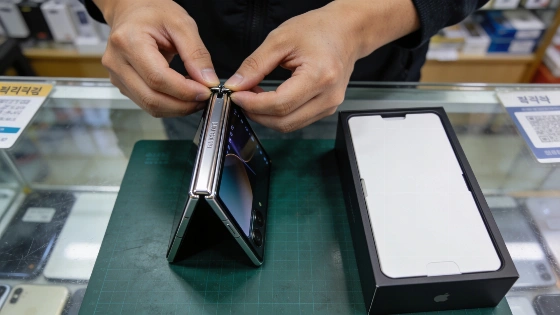
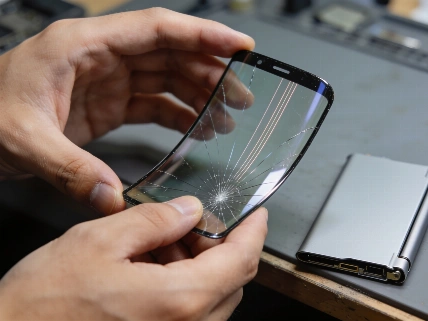
A $999 inner-screen repair would cost nearly half the iPhone Duo's $3,199 price for the 2TB model, according to British mobile market analyst Pinsure. Finsure, another British mobile-market research firm, reported out-of-warranty inner-display repair prices of $999 in the United States and £999 in the United Kingdom. In South Korea, the price was about 1.65 million won, roughly half the Korean starting price of 3.29 million won for the 256GB model. The potential bill is adding to concerns over the foldable phone's resale value.
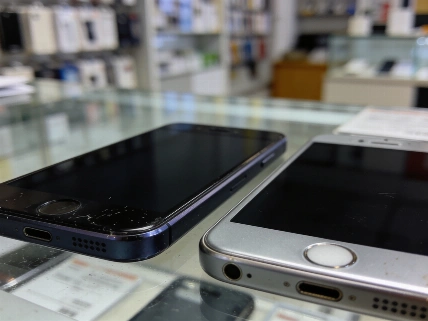
SellCell, a U.S. used-phone price comparison platform, put the highest purchase price for the 2TB model at $1,971 around two weeks after its Oct. 23 launch. The drop was $1,228, or 38.4%. Its highest quoted price for the 256GB model was $1,560, 22% below that model's factory price; used devices showing signs of wear had fallen by more than 30% to 40%. Separately, South Korean reporting put the iPhone Duo's resale decline at roughly 38% within two weeks of launch.
Repair costs complicate resale
For a second-hand buyer, a costly display repair can erode the value of the device itself. Finsure gave the example of a buyback company purchasing a phone for $1,300: deducting a $999 inner-screen repair would leave less than $300 in residual value. That is an out-of-warranty repair price; Apple has offered replacements for qualifying affected devices. Some large used-device platforms, including Gazelle in the U.S., have excluded the iPhone Duo from purchases. Apple's official trade-in program has also excluded it.
The resale slide follows reports of hinge and screen problems. An earlier report described some owners' claims of screen failures soon after purchase, while noting that the cause and scale were unclear. Apple acknowledged on Oct. 26 that an issue affected the internal displays of a "small number" of iPhone Duo units and directed affected customers to AppleCare to arrange replacements, The Korea Herald reported. Apple later instructed its stores and authorized service centers to diagnose affected displays, then repair or replace qualifying devices.
In Korea, the 256GB model has a factory price of 3.29 million won. It reportedly traded for as much as 4 million won just after launch, while another report put early secondhand listings at about 3.42 million won on platforms including Joonggonara and Bungaejangter. Karrot also hosted listings. By November, unopened, carrier-unlocked devices were reportedly being offered on major resale platforms for 3.1 million to 3.2 million won, below retail.
Two South Korean owners reported internal-screen damage while unfolding their phones on Nov. 5. Both received free replacements, although service processing required approval from Apple headquarters. One customer in Incheon reportedly waited about five hours for approval despite a replacement being available and received the replacement the next day. Apple did not disclose the precise cause or a defect rate. The company's service response was not a government recall.
The cost extends beyond the purchase price
Android Authority reported that the iPhone Duo's screen repair costs twice as much as a repair for Samsung Electronics' Galaxy Z Fold 8. The iPhone Duo's quoted repair price is about 1.65 million won in Korea. Korean reporting listed the Galaxy Z Fold 8 at 2,278,100 won and the Galaxy Z Fold 8 Ultra at 2,577,300 won as of Oct. 29, 2026; the reported inner-screen repair price for the iPhone Duo was about twice the Galaxy Z Fold 8's.
iFixit's late-October teardown described the iPhone Duo as comparatively repairable in some respects but highlighted the cost of inner-display damage, listing out-of-warranty U.S. screen repair at $999. The teardown also noted that Apple was offering replacements for affected units. Apple later sent technical guidance to authorized service centers on diagnosing and replacing affected internal displays, Asiae reported.
An industry official said the risk of defects in first-generation parts and high after-sales service costs could affect whether initial purchase demand continues.
Topics: