
Huawei Mate 90 series redefines camera and display limits
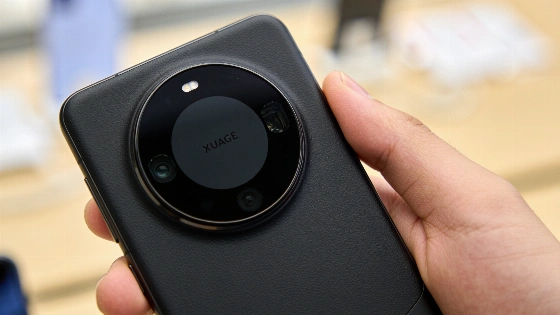
Shenzhen saw a major move from Huawei on October 1, 2026. The company rolled out its Mate 90 series, aiming straight at the top of the premium smartphone market. This launch comes just after its tri-fold device, but Huawei is not slowing down. The focus is clear: better cameras and brighter, longer-lasting displays.
The Mate 90 series was officially unveiled in Shenzhen on October 1, 2026, with a strong emphasis on Huawei's in-house HarmonyOS 7.0 and proprietary chip architecture to circumvent ongoing US semiconductor restrictions.
Display and camera upgrades define the Mate 90 series
The display is a big story. The Mate 90 Pro uses a second-generation Linglong Display. It can hit 12,000 nits peak brightness at 1% APL. That's possible because of its Tandem OLED setup. Huawei claims this makes the screen last 138% longer. The Pro Max and RS Ultimate Design go further. They have a Full-Color Linglong Display that covers the BT.2020 color space. There's also an Eye Comfort mode that dims the screen to just 1 nit. eSIM is standard for all, but only the Pro Max offers four-SIM, three-standby support. This feature is only for Mainland China and needs at least two standby SIMs from the same carrier.
Camera tech gets a big lift. Every Mate 90 uses Huawei's True-To-Color Camera 3.0. This system uses infrared optical coating on all lenses. Huawei claims color accuracy is up by 37%. Skin tone accuracy jumps 62%. The Pro Max leads the pack. It offers 18 EV exposure control, a 200MP RYYB sensor, and CIPA 7.5-rated stabilization that works even past 20x zoom. Its XMAGE Z10 Modular Camera system gives a 24-240mm continuous optical zoom (1x to 10x) with moving glass elements. There's a 1-inch sensor and a variable aperture from f/2.0 to f/4.5.
Design and ecosystem limitations
The RS Ultimate Design stands out with its Star Diamond Camera cutout and Dynamic Lenticular Kunlun Glass. Buyers can pick red, white, or black. But under the hood, it matches the Pro Max. The difference is all about looks, not extra hardware power.
According to official Huawei specifications, the base Mate 90 features a 6.75-inch OLED LTPO display with a 1-120 Hz refresh rate, 2832×1280 resolution, 12 GB RAM, storage options up to 1 TB, and a 6000 mAh battery. The device is rated IP68 and IP69 for water and dust resistance in laboratory conditions, though it is not classified as a professional-grade waterproof smartphone.
Pricing and market outlook
Prices in Mainland China are set. The Mate 90 costs CNY5,999. The Mate 90 Pro is CNY6,999. The Pro Max comes in at CNY9,499. The RS Ultimate Design tops the range at CNY12,999. There's no word yet on launches outside China.
Huawei is moving fast on hardware. The Mate 90 series takes direct aim at rivals, especially in cameras and displays. But the lack of Google services still shapes the experience for users outside China. That limits the global reach of these upgrades. In China, though, the Mate 90 series raises the bar for flagship phones.
A Reuters report on the Mate 90 launch explains how Huawei is sticking with its own operating system and chip designs. This is a direct answer to long-term US export rules that block access to advanced semiconductors.