Can Pax Silica Grow Without Draining Philippine Water?
The Philippines joined the U.S. Pax Silica initiative in April 2026. At the time, no new investment commitments had been announced, according to a Philippine Daily Inquirer report.
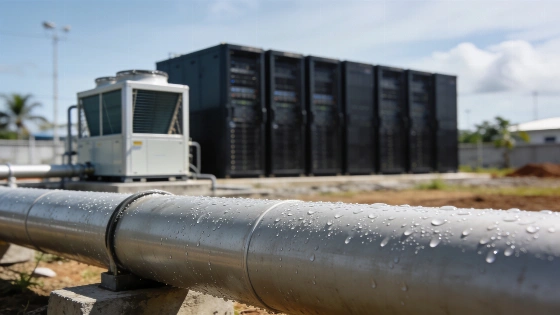
Netnet Camomot's concern is the water used to cool AI systems. Greater reliance on the technology could divert water that residents need. Climate change already threatens supplies, she argues, and AI adds another demand.
That concern shadows President Ferdinand "Bongbong" Marcos Jr.'s reference to Pax Silica in his July 2026 State of the Nation Address. Camomot graduated from the University of Santo Tomas, where she knew Pax Romana, the Catholic student organization. Pax Silica points to a different kind of peace, centered on silicon and the AI supply chain rather than prayer.
The proposed Pax Silica hub in New Clark City is planned to cover about 1,620 hectares and be developed in three phases, with work expected to start in 2028.
The promise behind silicon peace
Marcos has said the Philippines wants to move beyond chip assembly. He named research and design as goals; development is also part of the plan. Yet no figures have been offered to show how much water the proposed hub or wider AI growth might require.
The direction of Camomot's concern is clear: more AI use means more cooling demand, while water supplies are finite.
The government was still pursuing a framework agreement for Pax Silica with a U.S. government agency, with the agreement to operate under Philippine law-a sign that the project remained in the intergovernmental planning stage, not in operation.
Promises and political theater
Camomot measures the latest promise against past political disappointments. Ferdinand Marcos Sr. said martial law would bring a New Society. The 1986 People Power Revolution was expected to root out graft and corruption. In 2001, an uprising ousted President Erap Estrada amid another effort to clean up government. Camomot says none delivered what was promised.
The current political spectacle is Vice President Sara Duterte's impeachment trial. Camomot says she has not watched a session; she learned about the alleged use of names such as Mary Grace Piattos through Facebook. The session she found most interesting was the appearance of Sara Duterte's younger brother, Davao City Mayor Baste Duterte. His presence reportedly unsettled the family's opponents. Camomot notes that Duterte supporters and non-supporters read the moment differently.
She also argues that if Sara Duterte were found guilty and barred from public office, her two younger brothers could still seek the presidency in 2028. Camomot describes Baste as seemingly being groomed for the role. In her view, his fit, astig image could be a political asset. That is her assessment, not a settled outcome.
By October 12, the trial had reached its 38th day. An ABS-CBN trial update reported that prosecution financial analyst Alexander Cabrera put the couple's allegedly undeclared assets and income at 817.87 million pesos for 2022 to 2025. The figure is an allegation presented by the prosecution, not a final finding.