Unfreeze a Laptop Without Losing More Work
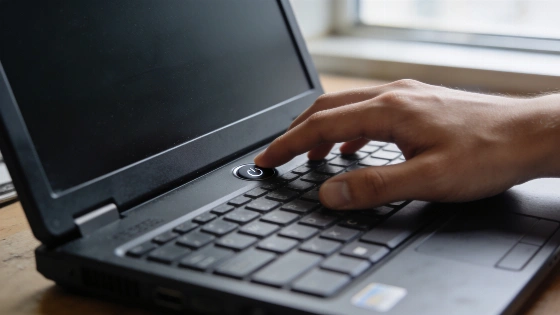
When a laptop stops responding, start with the controls that still work. Save anything you can reach, then close the stalled app or use the operating system's normal restart controls. A forced shutdown can erase unsaved work, so save it for a laptop that will not respond.
The next step depends on where the freeze occurs. One app may be stuck while the rest of the computer works; a frozen display points to a different problem. A graphics reset can help with a frozen Windows screen, but it is not a fix for a systemwide freeze.
Start with the app or display
On Windows 11, press Ctrl + Shift + Esc to open Task Manager. Under Processes, select the unresponsive app and choose End task. If that shortcut fails, press Ctrl + Alt + Delete and select Task Manager. The app may lose any unsaved work.
On a Mac, try Command + Q first. If the app stays stuck, press Option + Command + Esc, select the app, then click Force Quit. If Finder has stopped responding, select Finder in that window and click Relaunch.
Chrome has a task manager of its own. Open More > More tools > Task manager, select the affected page, extension or app, then click End process. Unsaved work in that process is lost. If these controls do not respond, check the display or restart the laptop.
For a Windows display that looks frozen or blank, press Windows + Ctrl + Shift + B. A successful graphics driver reset may produce a beep or a screen flicker. It targets display failures, not a systemwide freeze.
If the desktop or taskbar is stuck but Task Manager opens, find Windows Explorer, right-click it, then choose Restart. The picture may also be going to another display. To change display mode, press Windows + P, press P again, then press Enter.
Restart and check browser-specific freezes
When closing the app does not help, save any work you can reach and try a normal restart. In Windows, select Start > Power > Restart. On a Mac, open the Apple menu and select Restart. If those controls fail, use the power-button procedure for your model.
For an unresponsive Windows laptop, hold Power until it shuts down, then turn it on again. Microsoft specifies 20 seconds in its general display troubleshooting procedure. Follow the manufacturer's timing for your model. On current Surface Laptop models, hold Power until the device shuts down, restarts and shows the Windows logo, approximately 20 seconds, then release it.
On a MacBook, hold Power for up to 10 seconds until it turns off. Press and release Power to start it again. On a MacBook with Touch ID, hold Touch ID to turn it off. Force a shutdown only when the normal controls fail.
For a Chromebook, turn it off and back on first. If that does not help, most models support a hardware reset: turn it off, hold Refresh, tap Power, then release Refresh when startup begins. The reset can remove some files from Downloads, so back them up first if the Chromebook is usable.
If Chrome freezes while the rest of the laptop keeps working, close extra tabs and apps, pause downloads, then reload the page. Quit and reopen Chrome if needed. Try the page in another browser to see whether the problem is specific to Chrome.
To check an extension, open More > Extensions > Manage extensions and turn off the suspect one. On Windows or Mac, open More > Help > About Google Chrome to check for updates. Choose Relaunch if it appears. Chromebooks get browser updates through ChromeOS updates.
For persistent Chrome freezes on Windows or Mac, open More > Settings > System. Turn off Use graphics acceleration when available, then relaunch Chrome. ChromeOS does not have this setting.
In Safari, press Command + R to reload the page. If it remains stuck, press Option + Command + Esc, select Safari, then click Force Quit. Hold Shift while opening Safari to stop previous problematic pages from reopening. If freezes return, open Safari > Settings > Extensions and disable suspect extensions one at a time.
Investigate recurring freezes before resetting
Once Windows responds, open Settings > Windows Update and select Check for updates. For offered driver fixes, check Advanced options > Optional updates. Install relevant updates, then restart when required.
On a Mac, use Apple menu > System Settings > General > Software Update to install the compatible update on offer. On a Chromebook, connect it to power and Wi-Fi, select the time, then open Settings > About ChromeOS > Check for updates. Select Restart when notified.
If Windows freezes after sign-in, open Task Manager with Ctrl + Shift + Esc, then choose Startup apps. Right-click an unnecessary app and select Disable. Restart to check whether the freeze returns.
For Mac startup problems, open Apple menu > System Settings > General > Login Items & Extensions. Note the entries under Open at Login, select them, then click Remove. Restart and add the entries back one at a time, restarting between additions to identify a possible cause.
If Windows freezes began after an app was installed, open Settings > Apps > Installed apps. Find the app, open More options, select Uninstall, then complete its uninstaller. To ease storage pressure, open Settings > System > Storage > Storage Sense, review the cleanup settings and select Run Storage sense now.
To scan for malware, open Settings > Privacy & security > Windows Security > Virus & threat protection, then select Quick scan. Dell lists competing antivirus products as one possible cause of lockups. If more than one is installed, remove the redundant product using its supported removal procedure and keep one active antivirus solution.
Disconnect recently added Mac peripherals and see whether the freeze returns. Dell also recommends disconnecting accessories and docks while troubleshooting, especially if the problem began after hardware was connected.
For overheating-related slowdowns or lockups on a Dell laptop, turn it off and disconnect power before checking for blocked vents. Follow the model instructions for safe fan cleaning. Dell says to keep a compressed-air can upright and approximately 6 to 8 inches from the vents.
Windows Safe Mode can show whether a freeze returns in that environment. Open Settings > System > Recovery, then select Restart now under Advanced startup. In recovery, choose Troubleshoot > Advanced options > Startup Settings > Restart. Press 4 or F4 for Enable Safe Mode. If Settings is inaccessible but the power menu works, hold Shift while selecting Power > Restart.
An encrypted Windows laptop may ask for its BitLocker recovery key. On another device, open the Microsoft recovery key portal and sign in to the account that holds the key. Match the displayed recovery key ID to the corresponding key before entering it.
On an Apple silicon Mac, shut down and hold Power until startup options appear. Select the startup disk, then hold Shift and click Continue in Safe Mode. On an Intel Mac, turn it on or restart it while holding Shift until the login window appears. Check for freezing, then restart normally.
To run Dell hardware diagnostics, start the laptop and repeatedly press F12 at the Dell logo. Select Diagnostics and record any error codes. On a Chromebook, select the time, open Settings > About ChromeOS > Diagnostics, then run the CPU and memory tests.
For Apple Diagnostics, shut down and disconnect unnecessary accessories. On Apple silicon, hold Power until Options appears, release it, then hold Command + D. On Intel, hold D immediately at startup, or use Option + D if needed. Keep any reference codes from the offered tests for service.
For persistent Windows software problems, open Settings > System > Recovery. Under Fix problems using Windows Update, select Reinstall now, then OK. This repair reinstall keeps applications and files. Keep the laptop connected to power and the internet. Restart after installation. The option may be unavailable when an organization manages updates.
A normal macOS Recovery reinstall also preserves applications and personal data; back up first if possible. On Apple silicon, hold Power at startup and enter Recovery through Options. On Intel, hold Command + R at startup. Select the macOS reinstall option, then Continue. If both volumes appear, choose Macintosh HD rather than Macintosh HD - Data.
Consider a factory reset only after earlier software fixes fail, and back up first. For Windows, get the BitLocker recovery key before opening Settings > System > Recovery > Reset PC. Choose Keep my files or Remove everything. Both options remove apps and settings; the latter also removes personal files. Then choose Cloud download or Local reinstall and follow the displayed workflow. Do not interrupt the reset if the screen temporarily goes black.
For a personal Chromebook, back up local files and sign out, then press Ctrl + Alt + Shift + R. Select Restart, then Powerwash and Continue. Powerwash erases local user data; setup and sign-in are required afterwards. For a work or school Chromebook, contact the administrator instead.
On Windows 11 25H2 and later, End Task can be enabled under Settings > System > Advanced > Taskbar. Right-click a running app's taskbar icon and select End Task to close it forcibly. Organization policies can disable the setting.
An Apple silicon MacBook does not need a manual SMC reset key combination. For power or charging symptoms, connect power and restart. For thermal-management symptoms, restart. Manual SMC reset combinations apply only to specific Intel Mac models.
When available, Chromebook Safety reset keeps local apps and files while resetting settings and disabling extensions. Select the time, open Settings > System preferences, then choose Safety reset under Reset. Select Done after it finishes and review extensions before enabling them again.
On a Linux desktop using GNOME System Monitor, open System Monitor > Processes, select the unresponsive process, then click End Process. If it remains open after several seconds, right-click it and select Force Stop. Other desktop environments use different controls.