
Two-Layer README Testing Uncovers Project Pitfalls Fast
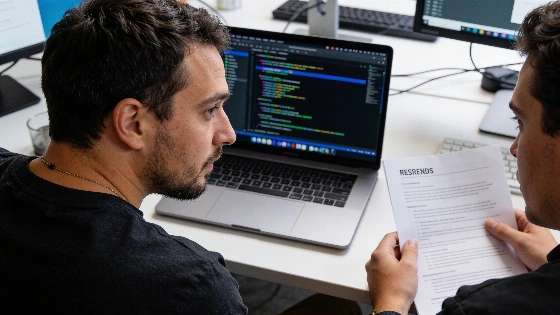
Freshly cloned repositories often promise a smooth start, but the reality bites as soon as setup grinds to a halt. A missing package, a dead link, or a vague step can stall even seasoned developers. Hours disappear, and another contributor walks away. This pattern repeats across open-source projects.
Maintainers rarely notice the trap. Once they know every quirk of their own codebase, blind spots creep into their documentation. Steps that seem obvious to insiders leave outsiders guessing. The README works for the author, but leaves everyone else stranded.
GitHub officially treats the README as a repository entry point, not as full documentation-comprehensive guides are recommended to be placed in dedicated wiki pages with navigation and version history.
Automated and Human Checks Catch Different Failures
Spell-checking or rewriting for clarity does not cut it. Reliable documentation needs two kinds of testing: automated Docker builds and real user walkthroughs. Each exposes a different class of failure. Docker flags missing dependencies, broken commands, and hardcoded paths that only exist on the maintainer's machine. If a command fails in a clean container, the instructions are broken for everyone.
But Docker alone misses the human traps. Only real users spot ambiguous steps, missing context, or instructions that assume too much. Telling someone to "set up your database" without naming the database or version leaves them lost. Newcomers stumble where maintainers breeze through. Their confusion marks the spot that needs fixing.
Neither approach covers all the gaps. Docker proves the code runs, but not that a person can follow the steps. Human testers catch comprehension failures, but cannot check every environment. Both layers are needed to make a README bulletproof.
Best practices for Docker-based documentation recommend recording the exact versions of Docker Engine and Compose CLI, verifying the active Docker context, and saving the final Compose model using 'docker compose config --format json' before running tests. This approach helps ensure reproducibility and clarity for all contributors.
Building a Two-Layer README Test
Start by pulling every fenced code block from the README and turning them into a shell script. Replay each command in a Dockerfile as a separate RUN instruction. Build the image with --no-cache to force a clean test. This exposes missing dependencies, broken links, and version mismatches. If the build fails, the logs show exactly where things break. A passing Docker build means the mechanical steps hold up.
Next, bring in two participants who have never seen the project. Ask them to follow the README out loud, narrating every step. Do not step in or clarify. Every pause or misstep signals a documentation flaw. Take notes, sort the issues into blockers and confusion points, and check them against a setup gap list covering dependencies and sequencing.
Fix the blockers first, then the confusion points. After each round, rerun the Docker build to catch new mechanical errors. Repeat user sessions after major changes or dependency bumps. For active projects, wire up the Docker README test in CI to catch breakage on every pull request.
Common Failures and Real Fixes
Terence Eden's ActivityBot project shows what happens when you pay people to follow your README. Paid volunteers found broken links and unclear sections. Each session led to real improvements. The README got easier to follow, though perfection stayed out of reach. The key point: documentation is not done when the author is satisfied. It is done when a new user can finish setup without help.
Automated Docker checks and live user sessions are essential. The curse of knowledge is not a personal flaw. It is a cognitive trap. The only fix is relentless, repeatable testing by both machines and humans. Keep your extraction script, Dockerfile, session guide, and setup checklist in a dedicated folder. Make README testing a routine part of your workflow.
Combining both layers-mechanical and human-turns a README from a hopeful story into a working guide. Projects that invest in this process build trust and save time. Anything less leaves contributors guessing.